Something There is That Loves a Wall

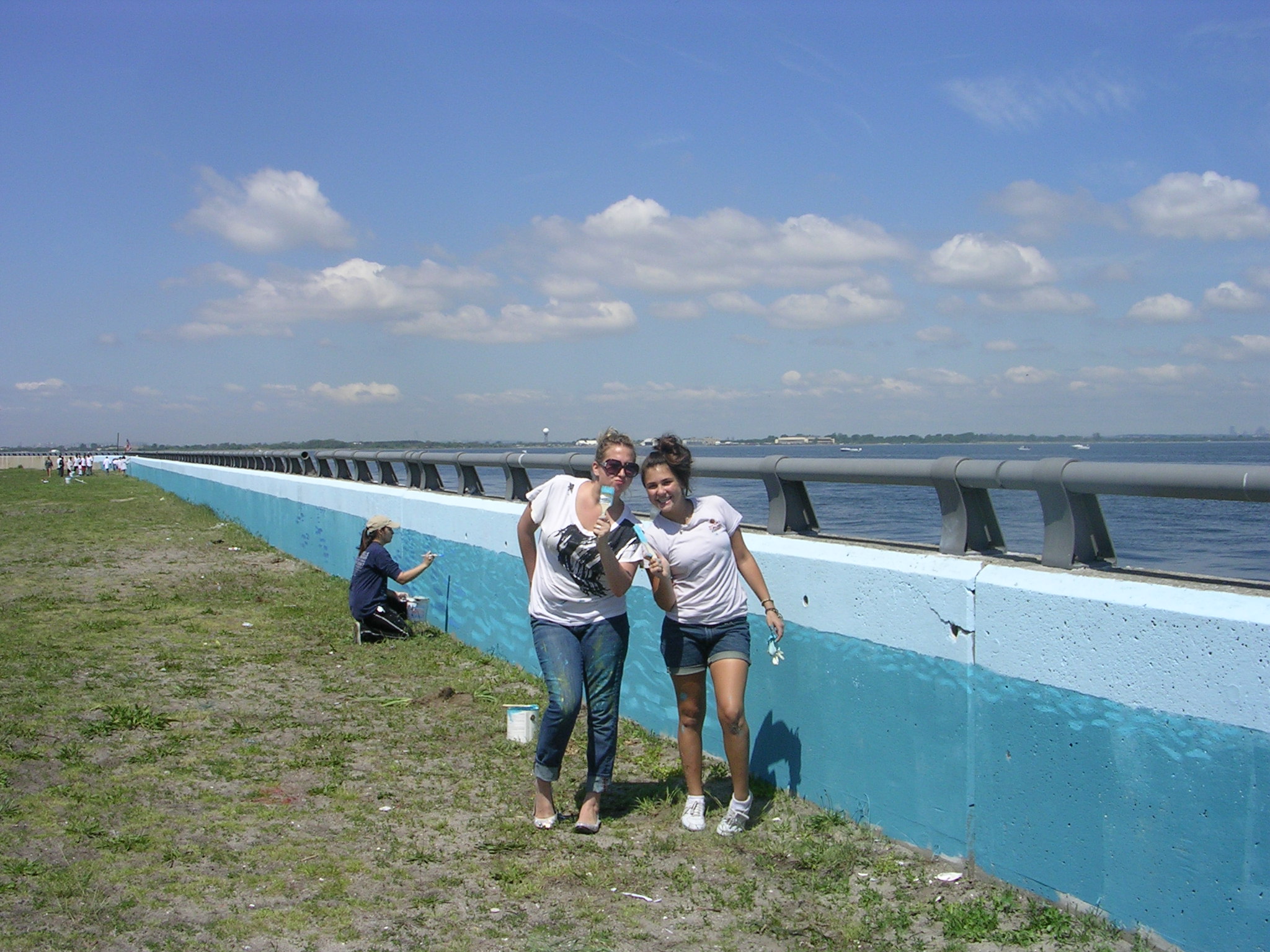
In his poem “Mending Wall,” Robert Frost fixed on the forces of nature that bring down garden walls, and how neighbors come together to repair them. On Saturday, May 21, residents of Rockaway Park focused on how to rebuild their wall, or at least, beautify it, by carrying out the “It’s Our Bay Wall” project.  Location: the grassy triangle on the bay north of Beach Channel Drive, from Beach 125-130 Streets.

How do you love a wall?

Start with the passion of several board members of the newly-formed Rockaway Civic Association (formerly Rockaway Park Homeowners’ and Residents, or My Rock Park).  As a group, we have diverse connections with a wide range of other charitable, educational and civic organizations on the peninsula. We’ve looked at that wall for years, like everyone else, and said: “why not?”

So we found a local artist with vision and experience on many outdoor mural projects–Geoff Rawling, President of Rockaway Artists’ Alliance.

We got our sympathetic local parks administrator on board–Jill Weber and her crew, through Partnership for Parks.  We notified the agency with jurisdiction over the wall (Economic Development Corporation) and finally, alerted the NYPD that we’d be doing a volunteer project.  Put out the word to local media and websites, plus an email blast to civic members.

Then, we added in 40-50 volunteers from local schools and youth organizations, plus materials and refreshments donated by the civic.  We were up and running by 8 a.m.

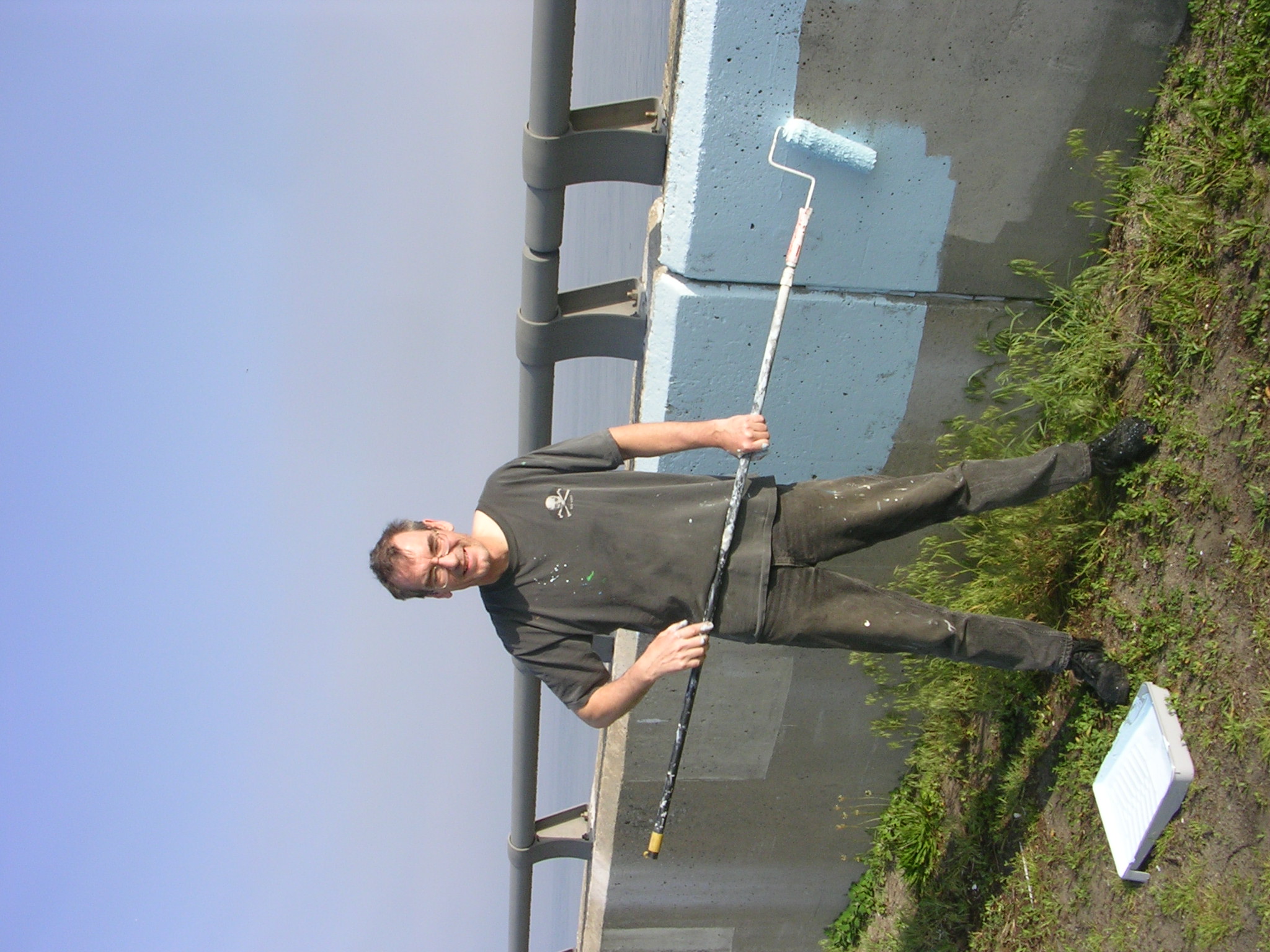
Stage 1.  Apply light blue acrylic paint along the top of the wall.  Early a.m. volunteers Geoff, Pete Stubben and Noreen Ellis get rolling…

Stage 2. Fix a horizon point, then roll turquoise acrylic paint along the bottom of the wall. Geoff gets help from Alyssa, local graduate of Channel View School for Research, now studying at the School for Visual Arts in Manhattan.

Stage 3.  Multi-colored waves of purple, yellow, dark blue and sea foam green were dabbed on along the entire stretch. The army of volunteers was greatly needed at this stage.

The project took about 8 hours, from start to finish.  Materials, supplies and refreshments cost about $1,000.  The mural was dry by the time some rain began to fall on the peninsula, at about 7 p.m.  Looks great, don’t you think?

Now it’s up to New York City and the federal government to keep the wall from falling into the bay.  I don’t think volunteers can help with that part…

Text and photos copyright 2011 Vivian R. Carter

Posted in New York City Government, Uncategorized | Tagged , , , , , , , | 2 Comments

Lilacs and Forgotten Homesites

Sadly, the lilac season is coming to a close. In her 1959 book, Plants That Changed the World, author Bertha S. Dodge cited the lilac as an example of plants that serve as place markers for people.  She noted that even after people have moved on, lilacs and bright orange day lilies remain in place near former dwellings. The flowers return, loyally each year, in exactly the place where they were planted, “to grow and flower and bear mute testimony to forgotten homesites.”

My late mother-in-law’s lilac bushes and tiny, cream-colored lilies of the valley are a good example of this phenomenon.  They abide in a flower bed on the border of the former Carter family homestead in Neponsit.  Ironically, the new owners of the towering, million-dollar plus, mausoleum-like gold brick structure that replaced the family’s modest and gracious white-pillared colonial have allowed the yard (and the city’s tree lawns on the sidewalks around the entire corner property) to deteriorate into a sea of dandelions and other weeds.  I guess it’s ok to let the property “go to pot” because it’s up for sale?  What a disgrace.  When they knocked down the old and put up the new, the developers bricked over Fran’s flower beds, and installed tall iron fences around the property’s edge, but the lilacs and lilies of the valley crept out from under the bricks and the fence to find light and water in the next-door-neighbor’s flower bed.  Bravo!

Cemeteries are another type of place marker for our civilization.  With cremation becoming more common, the headstones of old will become enduring markers for previous generations.  In many cases, developers are as disrespectful of gravestones as they are of flower beds like my mother-in-law’s.  I read about a playground that was constructed by the New York City Parks Department in the 1930’s in an outer borough neighborhood (I think it was Newtown Creek).  They knocked the tombstones flat and paved over them.

At an awards ceremony of the Historic Districts Council (HDC) held in the breathtakingly beautiful outdoor garden of Plymouth Church of the Pilgrims in Brooklyn Heights last Thursday, May 12, honoree Jeffrey Gottlieb of the Central Queens Historical Association spoke about a variation on police interrogation techniques he calls: “Good Parks, Bad Parks.”  The “bad” Parks Department evicted the residents of bungalows from Cedar Grove Beach Club on Staten Island in 2009.  The group of residents was given an HDC award, even though they have lost their battle to save their summer colony, so far.

The “good” Parks Department, in the person of Queens Commissioner Dotty Lewandowski, has supported restoration of Prospect Cemetery near the York College Campus in downtown Jamaica.  Through a public-private partnership, the architecturally significant “Chapel of the Sisters” at that site was turned into a restored jazz performance space.  Lewandowski had help from another HDC award winner, Cate Ludlam, a descendant of the Ludlam family that built the chapel in Prospect Cemetery.  Ludlam, a breast cancer survivor,  honored her ancestors by spearheading the restoration.

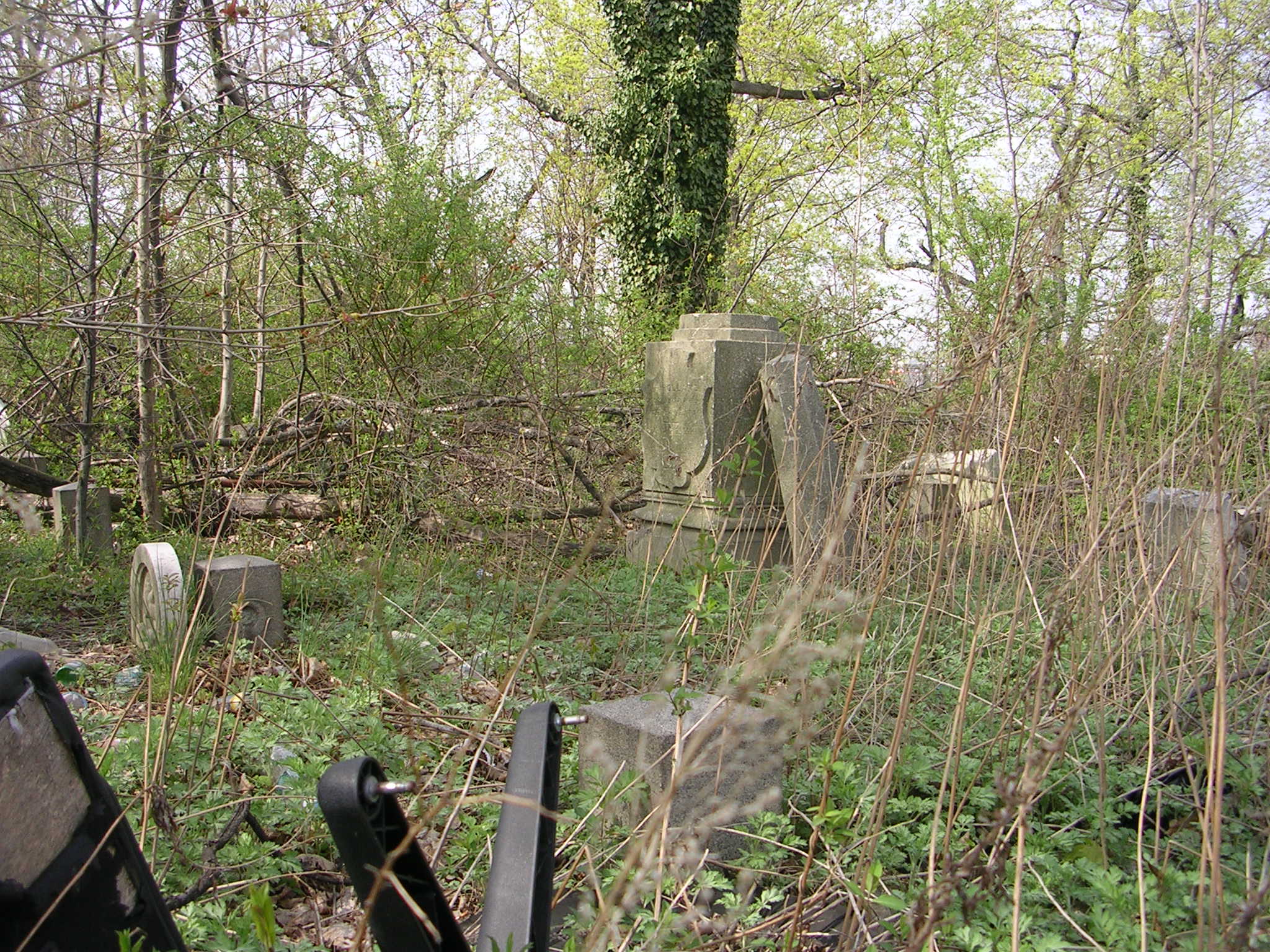
I have reached out to seek Ludlam’s help with a related preservation cause.  Just two blocks from Prospect Cemetery, the final resting spot of numerous members of the Holland family, the original settlers of the Holland section of Rockaway Beach, sits unattended, behind a chain-link fence near a parking lot on the York College campus.  The photo above shows the present condition of the cemetery.  The large tombstone with the shield-shaped detail is the memorial to Michael P. and Fanny R. Brush Holland, who moved to Rockaway in 1856 to operate the Holland Hotel.  Yes, that’s a discarded office chair sharing the plot!  The cemetery is called the “Methodist Cemetery at Jamaica,” but no Methodists have had anything to do with it for decades, and nobody can figure out who owns the land at present.  Detective work to answer the question and reach out to far-flung Holland family descendants and other volunteers for a clean-up effort is ongoing.  Send a comment to my blog if you are interested in assisting with this project.

Text and photos copyright 2011 Vivian R. Carter

Posted in The Land We Share, The World of Human Beings | Tagged , , , , , | Leave a comment

The Greening of Rockaway Beach

The first really warm and sunny weekend of the year brought folks of all ages out for some great activities in Rockaway Beach on Saturday, May 7.

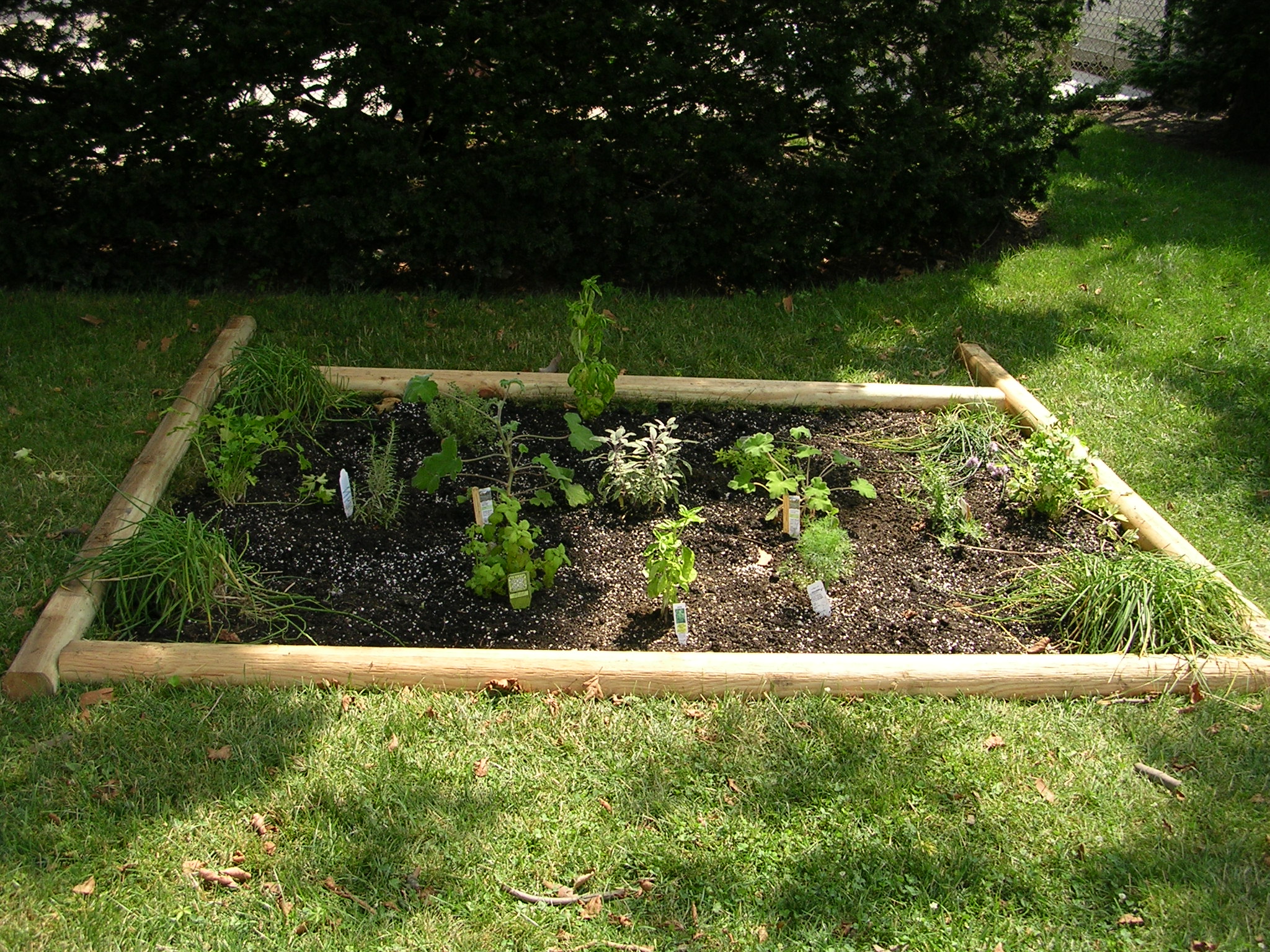
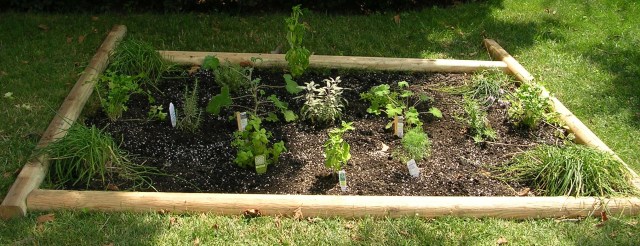
It started at 8 a.m., with a “topsoil fest” at the Beach 91 Street Community Garden, under the direction of Tim Hill. Tim recently wrote a successful grant application and raked in several thousand dollars for the garden, from the Citizens Committee for New York City.  He says that more than 60 friends and neighbors came out with rakes, hoes, and wheelbarrows to help fill the raised beds made of “repurposed” boardwalk timbers that would otherwise have been thrown out.  The garden is already beautifying the beach block of Beach 91 Street, and hoes are in the ground at a second plot a block north on Beach 91 Street.  Tim and other supporters are planning a kick-off party (with surf movies shown on the fence, of course!) for Sunday, May 22 at 2 p.m.

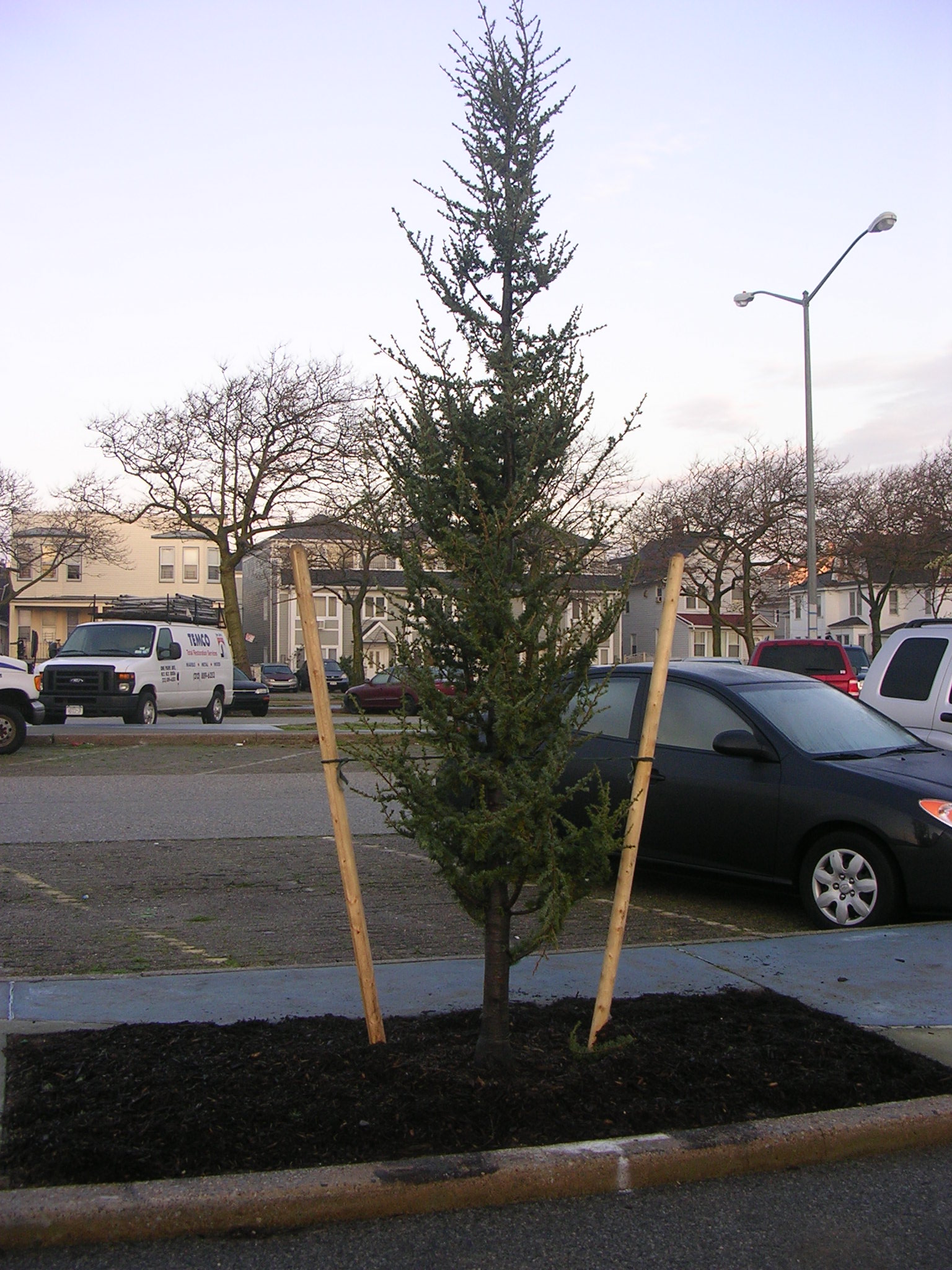
Native Atlantic Cedars Just Planted on Beach 94 Street Near Peninsula Library

A huge spruce-up was also recently completed at Pearly’s Garden on the beach block of Beach 90 Street; new raised beds were built and filled with topsoil.  The Million Trees Project has been in the vicinity as well, planting native Atlantic cedars at the parking area of Beach 94-95 Streets (and around the Beach 108 Street center malls of Rockaway Park, too).

In another healthful development for the area, those who want to eat organic, and also support the farmers of upstate New York, now have a chance to join the Rockaway Beach community supported agriculture project, which will be jointly sponsored this summer by Culinary Kids and First Congregational Church. Purchase a share in the co-op and you can come to the church parking lot on Beach 94 Street on Saturdays from June through October to pick up your share of fresh organic produce grown in upstate New York.

All are welcome to come and learn how this new partnership can benefit your family, at 2 p.m. on Saturday, May 14 at the Peninsula Branch of the Queens Public Library on Beach 94 Street. The founders of Culinary Kids, Malisa and Marion Moses, will speak about the benefits of going organic.  They will also be discussing their new “Farm Rockaway” at Beach 59 Street, an expansion of the group’s established farming and urban aquaculture programs.  They will be using waste generated from tilapia fish grown in tanks to fertilize the soil at the farm.  Featured guest speaker at the event will be Dr. Martin Schreibman, reknowned expert on aquaculture, who has researched the growth and development of tilapia fish in tanks at his Brooklyn College laboratory.  A screening of the documentary film “Nourish,” narrated by Cameron Diaz, is also planned.  The film is a colorful, informative introduction to strategies for eating in healthy, sustainable ways, featuring conversations with several leading authorities on nutrition and community gardening. Hope to see you there!

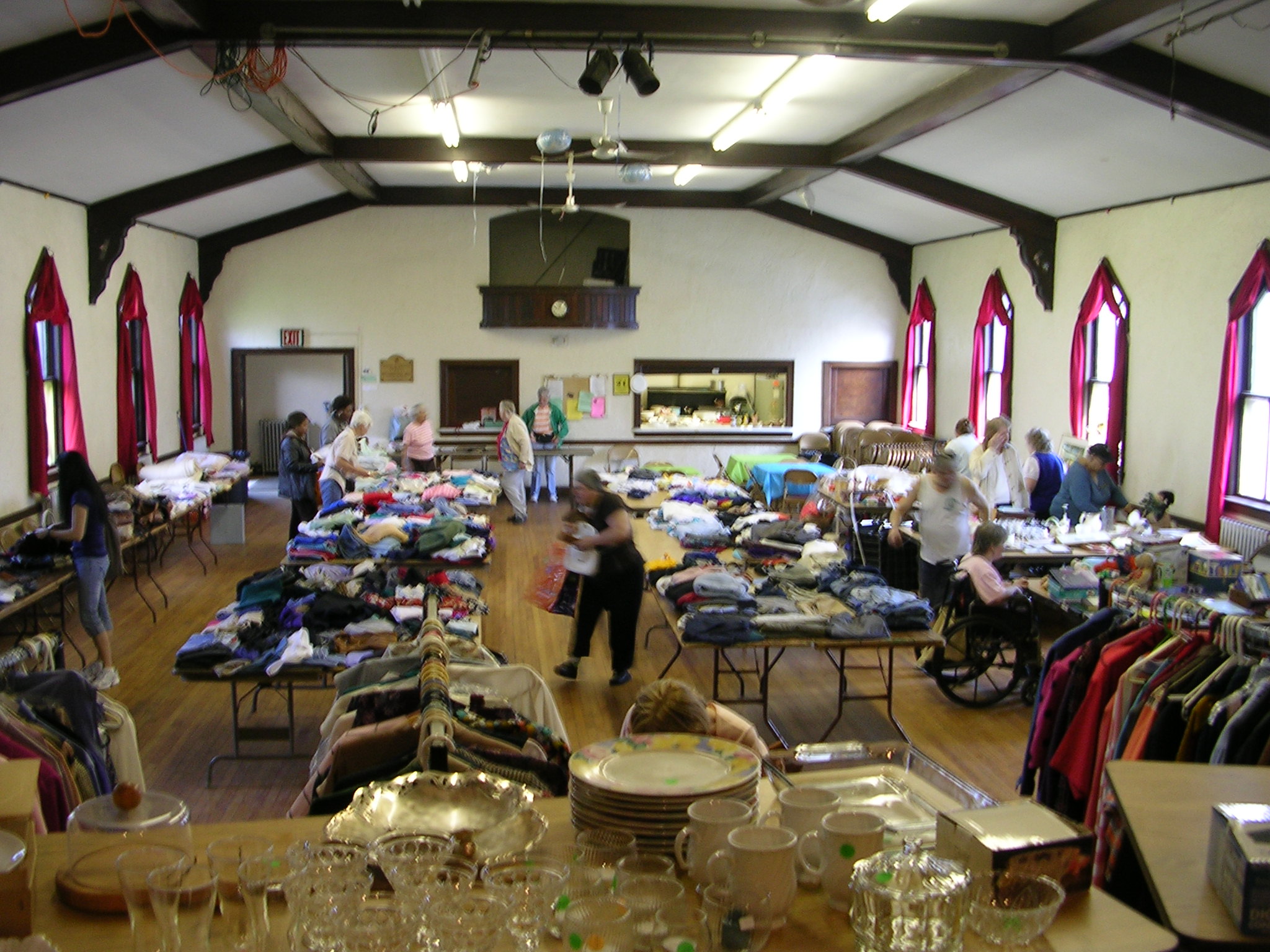
Back to the events of May 7.  As the Beach 91 gardeners were going strong, dueling thrift sales were in progress just a few blocks away, on Beach 94 Street.  For decades, First Congregational Church has spearheaded the “granddaddy” of reuse-recycle events on the peninsula each May.  This year, the Peninsula Branch of Queens Public Library decided to jump in with a rummage sale as well, and the result was a great fundraising success for both non-profits.
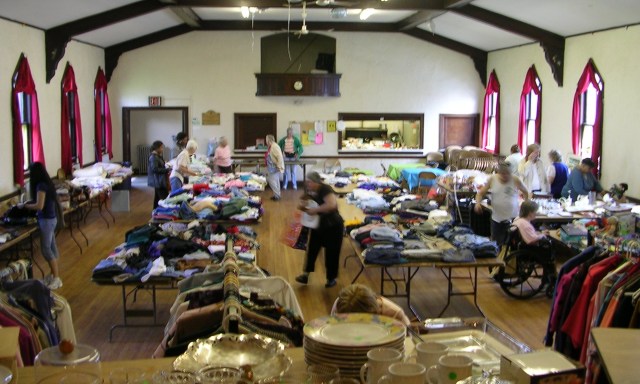
The "Grand-Daddy of Thrift Sales" at First Congregational Church--2010

By the time drops of rain started to fall late in the day, another successful new event had also been accomplished—the Rockaway Beach Jane’s Walk.  I had the pleasure of escorting a very enthusiastic intergenerational group of souls on a 2-mile walking exploration of the nooks and crannies to be found from Beach 87 to Beach 101 Street, all in tribute to the legacy of legendary urban planning critic, Jane Jacobs, author of “The Death and Life of Great American Cities.”

I’m not kidding when I say “intergenerational!”  Attendees ranged from a very healthy octogenarian physiologist who recently moved to Arverne, to three curious and attentive pre-teens from the McManus family, which has been in Rockaway since before the turn of the century. There were also three walkers who had little previous experience visiting the peninsula.  One of them commented that he didn’t expect to see so many animals on the walk.  We did, after all, encounter a dead raccoon on the steps of the Rockaway Courthouse; two huge, recently deceased striped bass caught by local fishermen; and many cats and dogs (one of whom had broken free from his leash).  These were not scripted events, but they sure kept the kids’ attention from flagging during the walk.  As a former teacher, I am always grateful for those serendipitous, teachable moments!
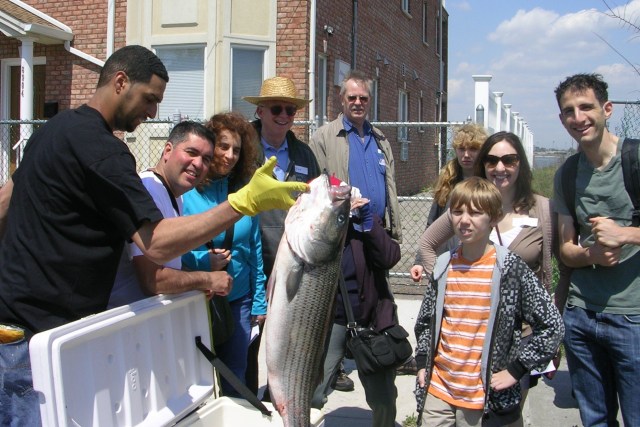
Walkers Enjoyed Seeing A Huge Jamaica Bay Striper in the Flesh!

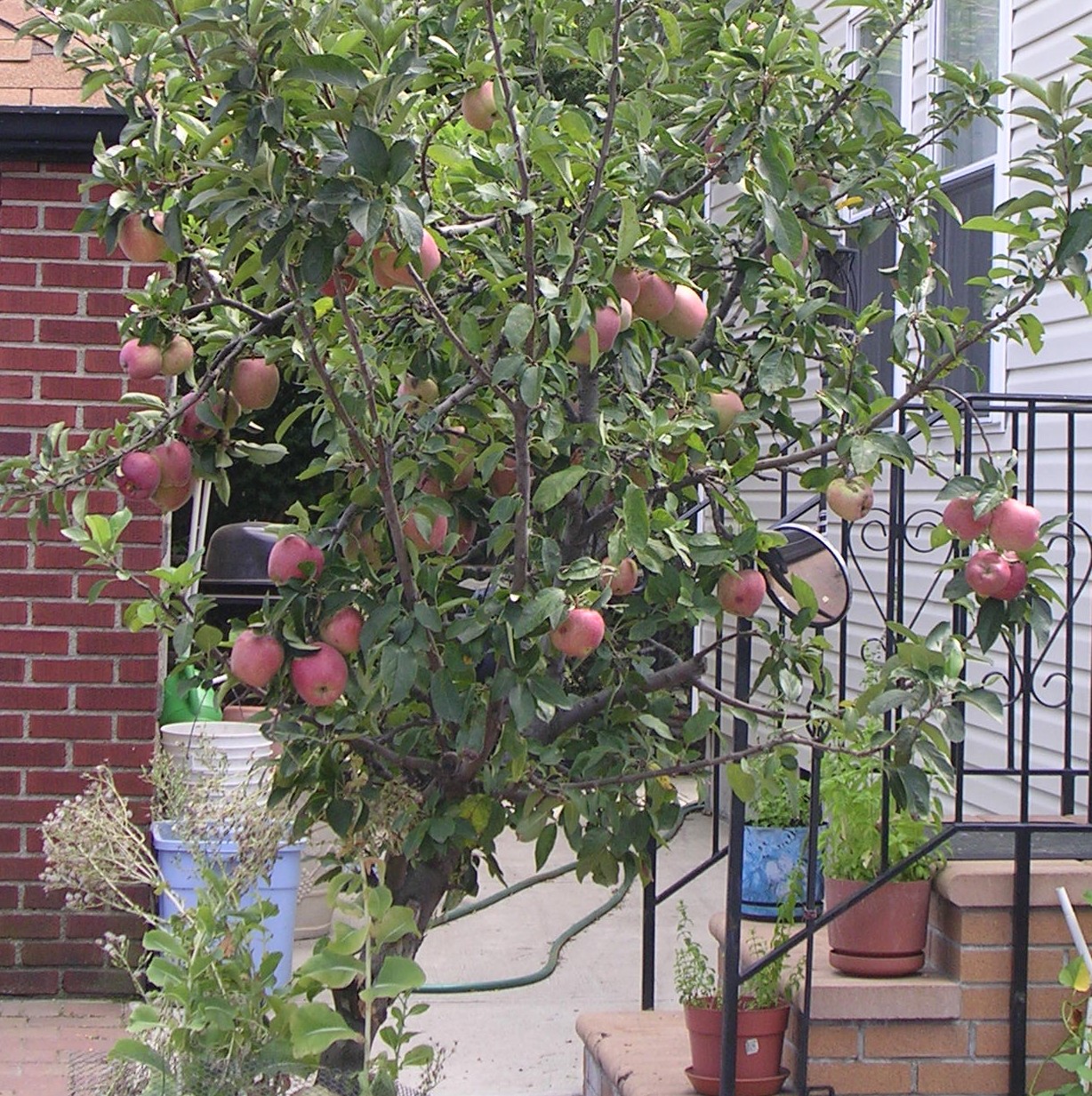
The walk started with a discussion of Jane Jacobs and her ideas about community planning at the Doughboy Memorial.  Then, we headed toward the bay, talking briefly with a neighbor who grows apples in her yard, congratulated the fishermen on their catch, viewed the peninsula’s newest designated parkland, and passed the grove of fruit trees and grape vines at Beach 87 Street near the Rockaway Freeway.  YES, there is a grove of fruit trees there…check it out sometime.
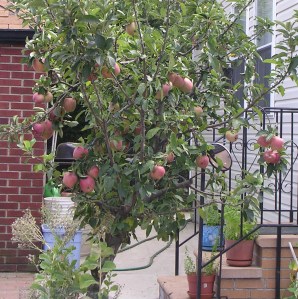
An Apple Tree Grows in Rockaway Beach-2010

Some of the walkers may have started out at 11 a.m. as “DFD’s” (a pejorative local term for visitors “down for the day”), but within two hours, all had been transformed into true experts on the local scene.  It helped that we were able to stop in to Rockaway Graphics and chat with proprietor Len Kohn, who operated amusements on the boardwalk for many years, and shared some of his knowledge about Rockaway’s vaunted past and some of the reasons why it all changed.  Len thinks that technology and transportation were key factors.  The invention of nylon wiped out the need for bathhouses and bathing suit rentals, and the burning of the LIRR trestle wiped out the 30-minute ride to Penn Station.  Also, he added that placement of undesirable social services establishments throughout the peninsula hastened its decline, as well.

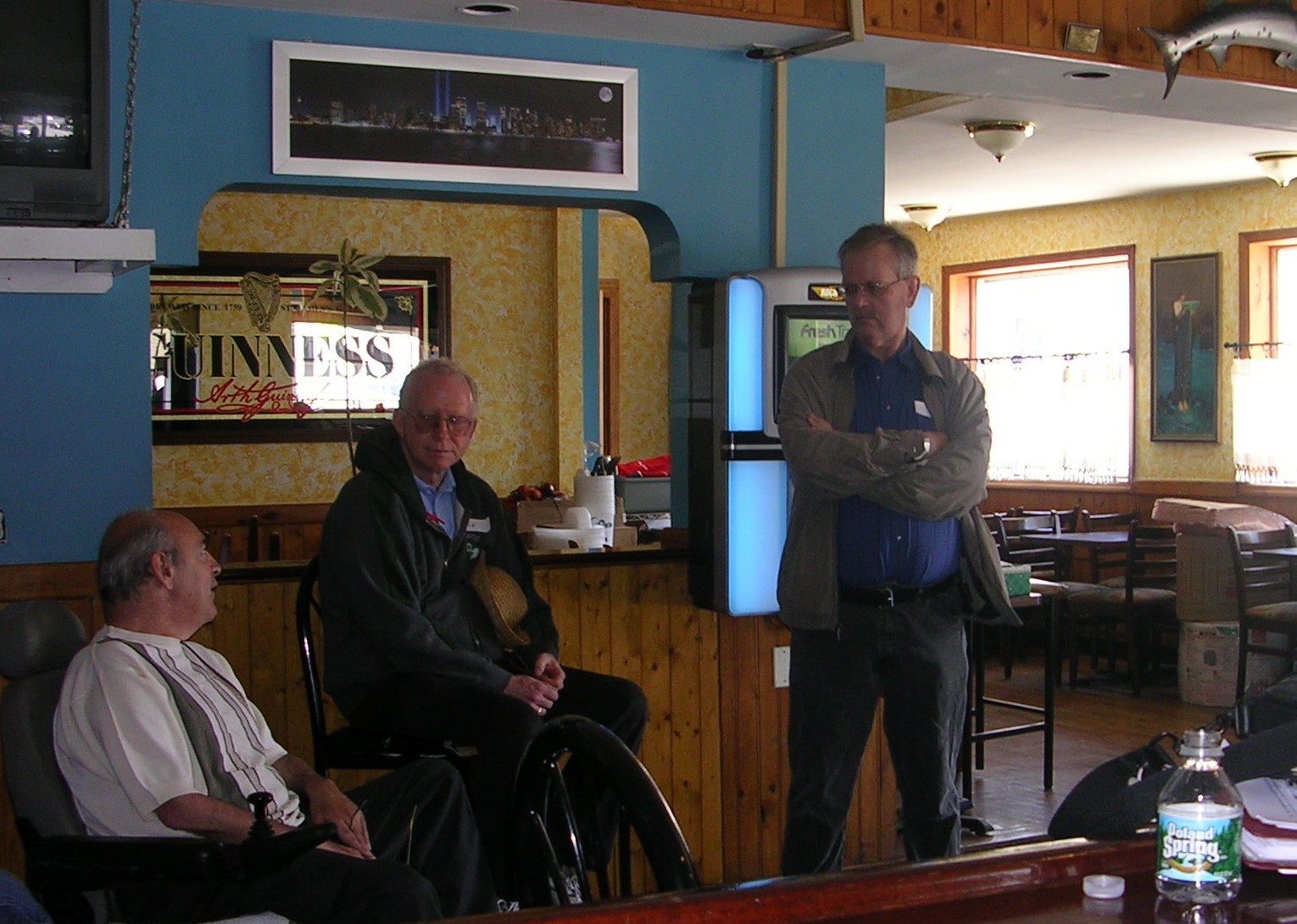
To assure that everyone on the walk would take away the real inside skinny on the neighborhood, we answered this burning question:  where can you get fabulous, authentic seafood tacos in Rockaway Beach for lunch TODAY?”  Hint: you won’t find them at that boarded-up Beach 96 Street shack from October through May…but they can be found, YEAR ROUND, at local pub The Tap & Grill, of Beach 98 Street.  So we stopped there, and proprietor Andy Cholakis talked about the history of the establishment, which has been in existence since the early 1900’s, shortly after Tilyou and Thompson opened their giant oceanfront amusement complex that later morphed into Playland.  For most of those years, old-timers will remember that it was called “Boggiano’s.”
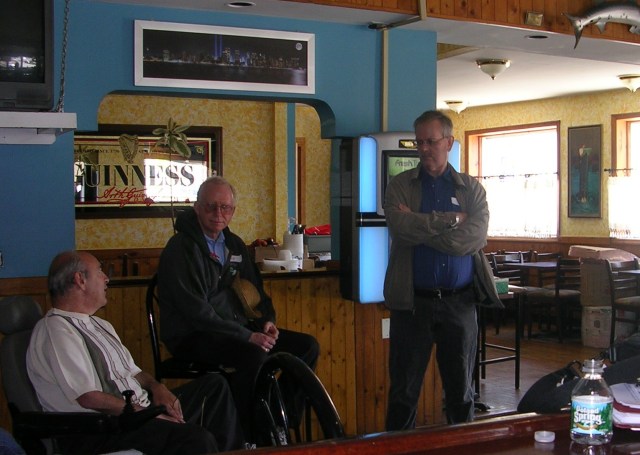
Andy Cholakis of Tap & Grill Shares a Story With John McManus and Robert Breen

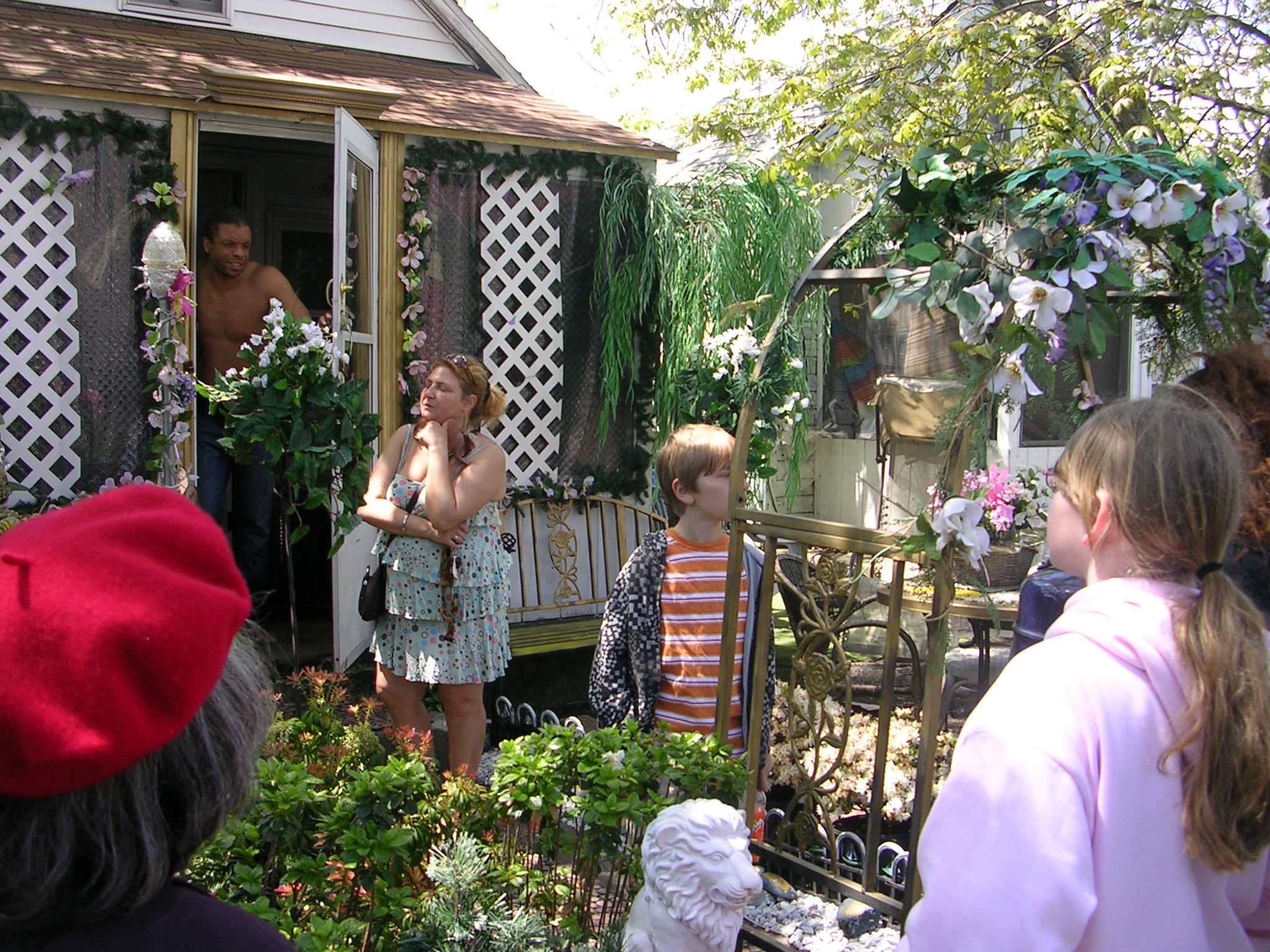
We concluded the tour with a 10-minute jaunt to the historic bungalow colony at Beach 101 Street, where we chatted with resident Katherine, and one of her neighbors who tends an impressive flower and statuary garden in front of his house.
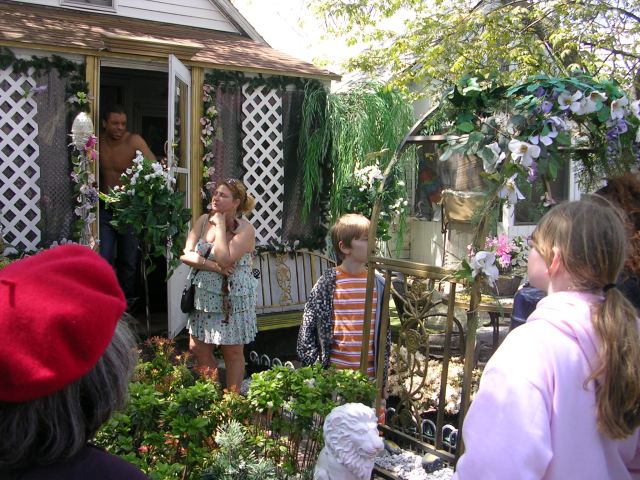
Statuary and Plants Adorn Front Yard of Bungalow at Beach 101 Street

This was the final stop on the walk, and I thought it was very poignant to stand in that bungalow court, picturing what it must have been like at another time and place–say in the 1940’s or 1950’s.  So we took a few moments to read a simple and heartfelt poem submitted to The Wave in 2003 by Maureen Henning, about growing up in the bungalows.   Just the opening and closing lines of “One of a Kind–Growing Up in Marcel’s Court,” will give you the feel:

“It was unique and like no other place you know, to the many who had the privilege of living there and did not want to see it go.  For, with its demolition, were buried memories untold.  And dreams for the future–had the property not been sold.”

“Never does a summer season begin that our minds don’t wander and reminisce a bit.    Our saddest emotion being that our children never had the chance to experience it. They never experienced that feeling, that joy and that magic that this place knew. If you lived there, you know where it was and you know that this story is true!”

As the tour came to an end, some of us then headed back to The Tap & Grill.  We tried those seafood tacos, served in corn tortillas, with all the fresh and yummy garnishes, like fresh lime and spicy white sauce, and a side of home-made salsa brimming with raw onion.

We were trying to re-create that “Playland/bungalow court” experience for a few hours.   I guess there were a few things missing–the rides, the fireworks, Auer’s custard and the hot dog stands, 45-records playing, or a transistor radio tuned to the Brooklyn Dodgers.

Anyway, at least we tried.

———————

“One of a Kind–Growing Up in Marcel’s Court,” by Maureen Henning, previously published in The Wave’s 110th Anniversary Edition, July 2003.  Other text and photos copyright Vivian R. Carter 2011.
Posted in Creatures of the Planet (Non-Human), The Land We Share, The World of Human Beings | Tagged , , , , | 9 Comments

The Next Decade–Down the Staircase

We’ve completed the mission to remove Osama Bin Laden from atop the world’s terrorist watch list.  The hatred and cruelty of his Al Qaeda followers who orchestrated the terrifying events of September 11, 2001 will never be forgotten.

I will always remember how the attacks of 9/11 galvanized our sense of togetherness on the Rockaway Peninsula.  Ten years ago, immersed in our communal grief, most of us didn’t document the events or their aftermath on film.  So what?  The images are seared in my mind—the long line of firefighters standing at attention in a salute in front of St. Camillus Church as the flag-draped casket of firefighter John Heffernan of Ladder 11 passed by along Rockaway Beach Boulevard. The service for Vincent Kane of Engine 22 in Breezy Point.   Everyone holding hands on the sidewalk in front of St. Francis deSales Church, during yet another funeral.  Perhaps Twitter and Facebook arose as the natural genesis of 9/11, since we felt a need to convey all of the many things that were happening so quickly during those days.

But we can step back now, in anticipation of the commemoration of the decade since the attacks, and take a long view.  How many of us have absorbed the lesson that our world (and our country, sadly) harbors far too much violence and bigotry?  While we’ve been in adversarial mode, churning through soldiers and materiel in Iraq and Afghanistan, democratic movements have been flowering in the most unlikely of places, surprising the pin-headed commentators, business executives, and political strategists who never see beyond the next election, or the next quarterly report of their profits.

When will we get it?  The people in the Middle East(and elsewhere on the planet) want life and liberty, too.  They want to pursue happiness, and no doubt, admire and are inspired by the optimism of our democratic ideals.  Wouldn’t it be great if we actually started living up to those ideals?

I believe that the anniversary of 9/11 should not be about looking back.  It should be about looking forward, to the challenges we face as a society.  There is no better place to see illustrations of those challenges than here on the Rockaway Peninsula.  The N.Y. Times “Editorial Observer” recently asserted that southwest Brooklyn is “perhaps the only section of the city divided enough to match the national debate” over the controversial House Republican budget proposal that would “privatize Medicare, slash Medicaid and cut taxes for the rich.”  Those reporters need to get out of Manhattan a little bit more.  Many portions of the Rockaway Peninsula are just as divided on these questions.

The costs of Medicare and Medicaid, the battle over the future and soul of the public schools and other unionized work places, clean air and water issues, the high costs and inefficiency of public transit, gross disparities between the wealthy and the working poor–all the problems are here on display in Rockaway.  The “My Turn” column in last week’s Wave about the Dayton Towers’ union dispute perfectly illustrates the diametrically opposed points of view.   When Mayor Bloomberg visited last, he stated, quite correctly, that “there are no simple solutions” to our problems.

Yet, our pop culture is obsessed with the soap opera of reality television–with its zero-sum games where there are only winners and losers.  The portrayal of epic battles to fight obesity, sing or dance better than the next performer, or survive a difficult trial in the wilderness.  The reality show of real life is far less compelling.  It has lots of gray areas, and compromise, cooperation, and small incremental bits of progress over time are the key to accomplishing positive change.

People like simple and dramatic solutions.  The marketing world thrives on them.  So do legislators.  Just wipe out public employee unions with the stroke of a pen!  The cost of providing workers with promised pensions goes away.  Buy the next new diet pill!  Swallow three times a day and the weight comes off like magic.  It’s so much easier than changing one’s wasteful, unhealthful, and ineffective habits.  That great observer of human nature, Mark Twain, understood this dilemma, and is quoted as having said:  “Habit is habit, and not to be flung out of the window by any man, but coaxed downstairs a step at a time.”

Our society is still upstairs, searching for answers to our problems.  We need to start moving downstairs soon.  Too bad they tore down that great Rockaway Beach Hotel, The Imperial, in 1889.  The grand staircase was so wide that 40 people could link arms and walk downstairs together.  Now that would come in handy.

All text and photos copyright Vivian R. Carter 2011

Posted in New York City Government, New York State Government, Planet Earth, The World of Human Beings, U.S. Government | Tagged , , , , , , | Leave a comment

Won’t You Marry ME, Will?

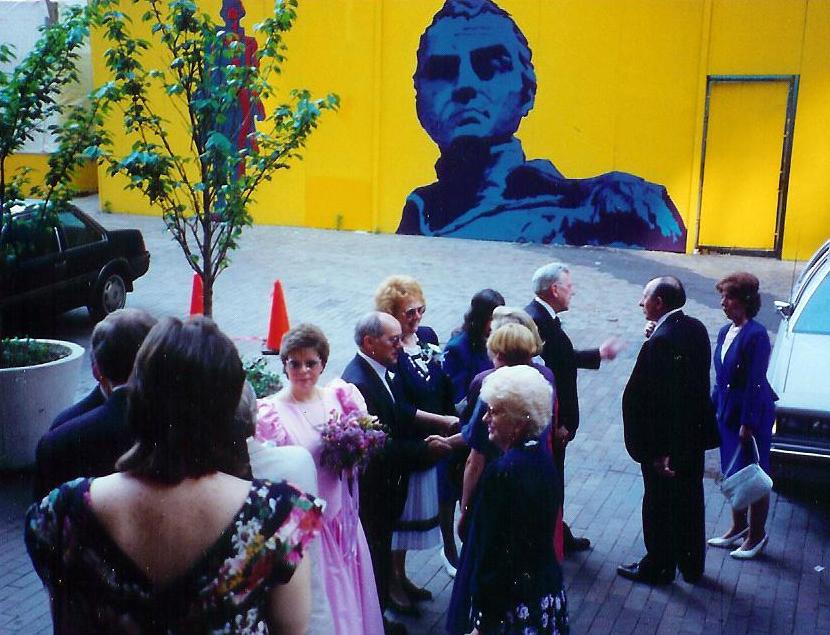
The epitome of a Manhattan event--complete with orange traffic cones and a colorful historic figure watching over us from a construction fence.

The press was agog this week about soon-to-be-royal Kate’s trousseau shopping expedition–to (gasp) a discount store!  There were even photos of three modest frocks she purchased for the honeymoon, all priced in the $100 range.  Since Prince William’s mom, Princess Diana, was married in a dress that cost over $100,000, this was BIG NEWS!  A sign that the royals are tightening their belts… Word has it that this type of occasional frugality is one of Kate’s endearing qualities that attracted the handsome future King.

Seeing the pictures of Kate’s new dresses, particularly the one sporting a flounce and pastel flowers, brought back memories of my own wedding twenty years ago, a super-budget Lower Manhattan event that nevertheless, came close to achieving the Martha Stewart seal of approval.  There was one faux pas–I admit that it was a little tacky to make photocopies of the wedding invitation…

Will has a week left to change his mind, so I’m putting my bargain savvy out there in this memoirish post.  Though I’m old enough to be his mum, it’s worth a try.  True love should never stand in the way of a good deal on a previously-owned vintage model.  If you like frugal women, Will, I can boast that I figured out how to spend less than $8,000 on my nuptials, which included food, drinks and entertainment for 60 guests, marriage license, invitations, organist, church fees, one engagement ring and two wedding bands, film and developing (film still had to be developed back in 1991), gifts for the wedding party, cabs, haircuts, hair color, and facial, even a shirt and tie for my fiance and groceries to feed everyone a meal or two.  Nowadays, $8k is the amount an upper-middle-class bride has to budget just for the wedding invitations–they seem to have gotten bigger and more elaborate over the years. It’s now at the point where they have to ship them in boxes instead of envelopes!  Anyone who stashed my simple little 1991 photocopied invitation (at least we used fine bond paper) in their memento cache will find that it surely stands out from the crowd!

I hope Will wants to take me up on my offer.  I’m great at urbane and sophisticated dinner conversation.  It would definitely be beneficial for the planet for us to wed, as I’ve got mondo ideas on how to re-direct the royal wealth to various social causes.  We’ll just have to check in with the Archbishop of Canterbury on the knotty little details about my earlier marriage.  Speaking of that…
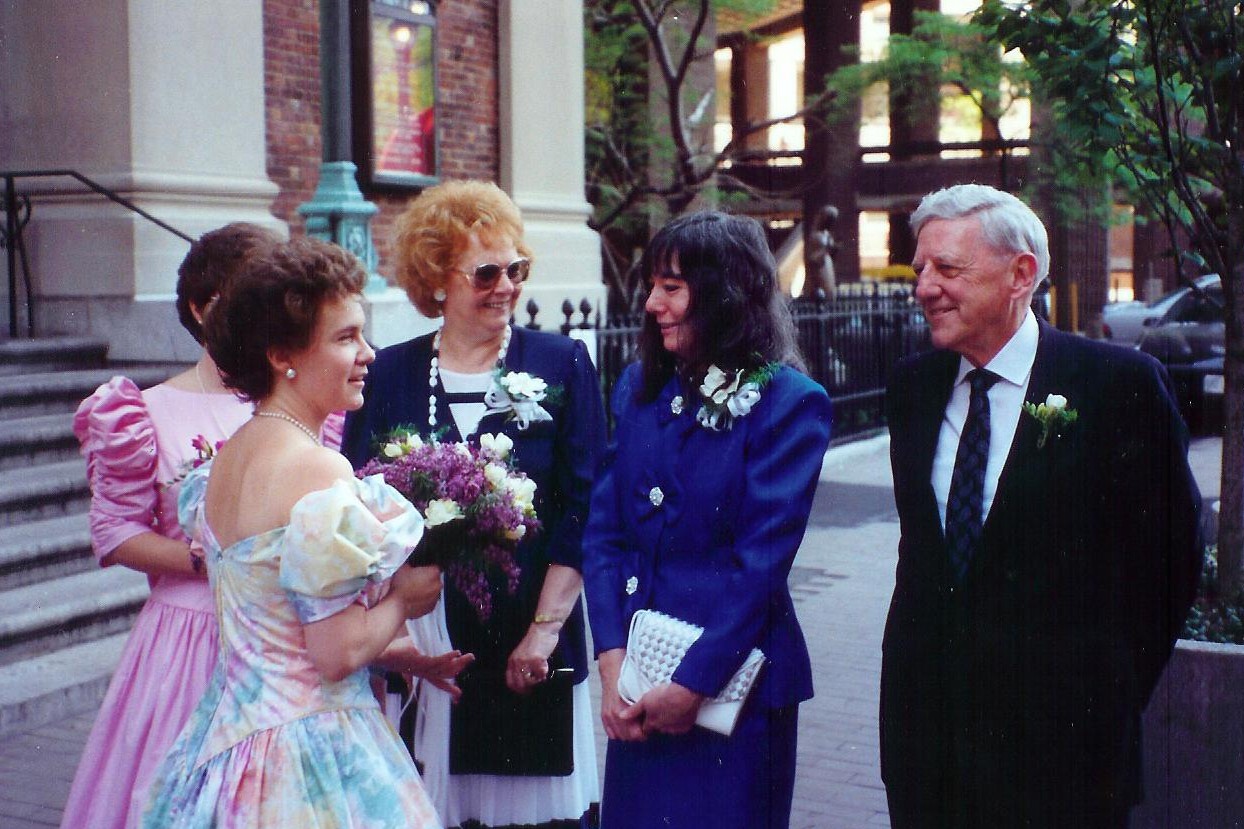
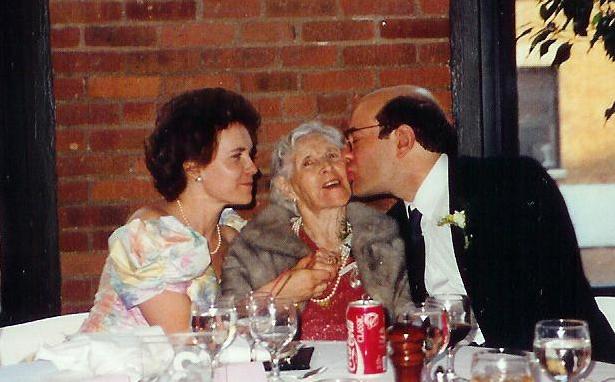
My floral prom dress brought to mind Vivien Leigh playing Scarlett O'Hara. Note the contrasting fashion styles of the Mother of the Bride (left center) and the Mother of the Groom (right center).

In May, 1991, I walked down the aisle of the Church of St. Andrew (behind the Federal Courthouse at Foley Square). I was wearing an inexpensive prom dress with a flounce and pastel flowers, found in a shop in Spanish Harlem. With a fully tricked-out hoop skirt, it made me look like I had just stepped off the set of “Gone With the Wind.”  The only thing missing was the bonnet.  The whole outfit cost less than $350, including the foundation garment that maintained the antebellum shape of the design, and the comfy pumps I wore.  My bouquet of lilacs and white freesia was acquired from a florist shop on Hudson Street that is now the location of an HSBC Bank branch.  It cost $50.

A small speck of a diamond engagement ring and two wedding bands from Tiffany’s ran us a bit over $2000, I believe.  With the price of gold today, can’t imagine what those rings would cost now.  Once we were on a roll, the bargains just didn’t seem to end for us.  In an amazing stroke of luck, my parents were offered the standard room rate for a weekend stay in the penthouse suite of the hotel attached to the World Trade Center.   We knew we might get a deal, since there were few weekend tourists in the financial district back in those days. But the kind of savings we got was beyond our expectations.  The hotel, as you guessed, is no longer there.

After the ceremony, we walked to the Tribeca Grill Banquet Loft for a modest reception. Although the downstairs restaurant, owned by Robert DeNiro, was at the peak of hipness at the time, the upstairs party room was operated as a not-for-profit for the benefit of film industry causes.  The buffet was top-rate.  We dined on rosemary chicken, seafood risotto, pasta primavera, fresh arugula/pepper salad, an appetizer of fresh tomatoes, basil and imported olives, seasonal fruit, focaccia and hearth breads.   The restaurant’s flexible bar policy (one hour open bar, with wine and beer by consumption thereafter) helped us cut costs further.   The price per person was less than $50.  With the tip, the bill came to under $4k.

Grandma Giuseppina Enjoys Being the Grande Dame of the Event!

The cake we served, garbed with fresh strawberries and whipped cream, came from the famed Veniero’s bakery on 11th Street in the East Village.  That choice definitely scored “brownie points” with my husband-to-be’s Calabria-born Grandma Giuseppina.  The cake cost $100, plus $5 for delivery.  My best friend, Nancy, had gotten hitched the week before me with a similar small-scale celebration.  I distinctly remember that her wedding cake cost in the neighborhood of $900.  And she didn’t have Bill Murray at her reception.  Okay, so neither did we–but in a very memorable twist, Murray WAS downstairs waiting for a cab when we left the party!
The cake-cutting.

Since lilacs are my favorite, we made up table arrangements from the flowers in my mother-in-law’s Neponsit yard.  Driving the car filled with cut lilacs from Rockaway to lower Manhattan almost caused my fiance to pass out on the Belt Parkway!  Then, my sister Kathy was helping out and inadvertently trimmed all the stems too short for the chosen vases.  We had to pull a “Mulligan” and acquire more lilacs at the last minute in the flower district.  Altogether, the flowers and vases cost us less than $400.  Which brings to mind this question–is there still a discount flower district in New York City?

The final choice that saved us a bundle was the music. Now, I know Prince William and Kate will probably not have to pay for musicians like Elton John and Sting to perform for their event.  It’s great to be a Windsor.  To cut corners, we made a great “dance tape” of our own.  Yes, there were still audiocassette tapes back in 1991.  I think that today, they call these “dance mix CD’s.”  The soundtrack was Sinatra crooning Cole Porter and big band standards, with some Harry Connick, Jr. and Manhattan Transfer thrown in for variety.  Then, the 70’s and 80’s dance classics took over as the party progressed.

Although I love my two teenaged children dearly, and wouldn’t trade them for anything, I will tell you, all kidding aside, that the wedding was better than the marriage.  I think my ex-husband agrees with me.  It was a really GOOD party.
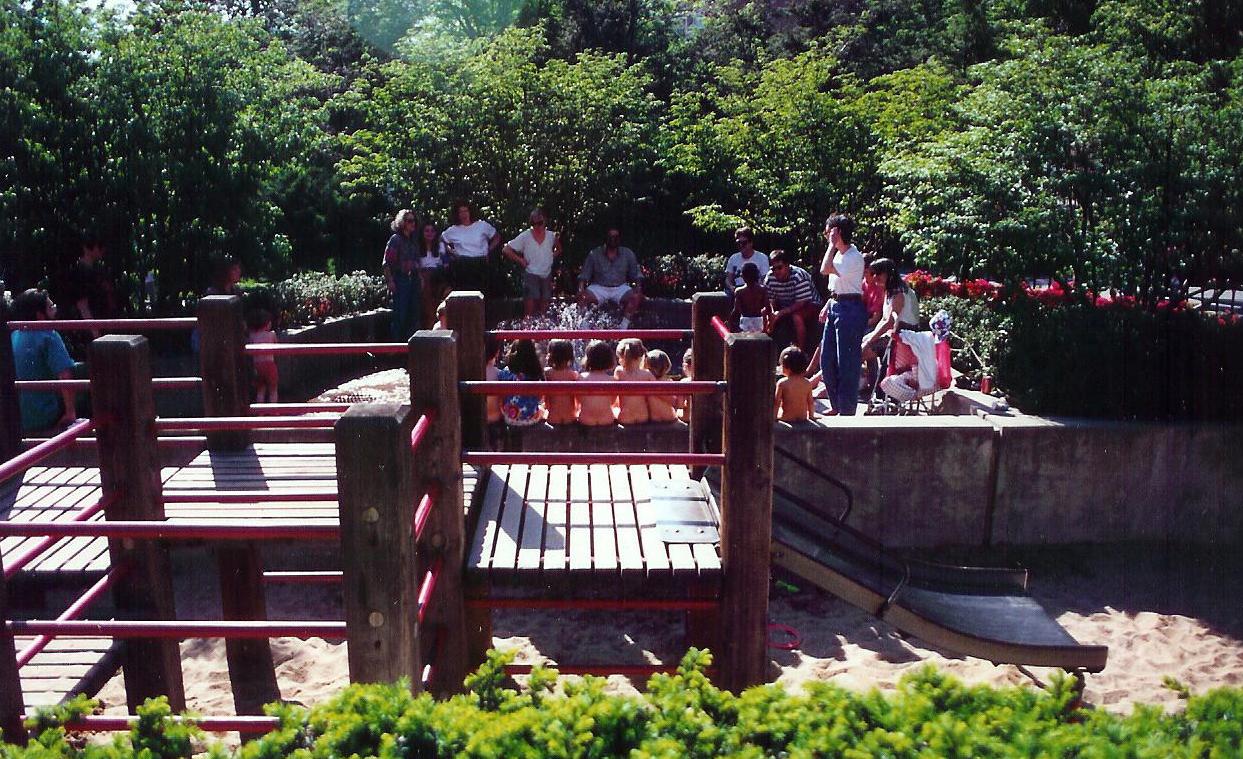
My Dad serendipitously captured this Tribeca park scene as we walked from the church to the reception site. He entered the photo in a contest and won a free annual park pass for his efforts. Photo copyright Martin F. Rattay 1991.

I guess I always have another shot at Prince Harry, who has been rated even more handsome than his brother.  If he turns me down, I can ask him to wait 6 years until my daughter is 21.  Doesn’t every girl dream of marrying a handsome prince someday?

Text copyright Vivian R. Carter 2011

Posted in The Arts and Entertainment, The World of Human Beings | Tagged , , | Leave a comment

A House of Cards Faces Into the Winds of Jamaica Bay

Our elected officials are waiting.  They are watching.  I firmly believe they are looking to hear and see us at all of these meetings.  Some just don’t seem to care, but it behooves us to express our opinions to those who do.

The Jamaica Bay Task Force held a public forum at the Broad Channel American Legion Hall on Thursday, April 7 to educate residents about the Port Authority’s proposal to expand the runways at JFK Airport.  I counted about 180 people in attendance, and most remained to the conclusion, as the presentations were informative and interesting.  Kudos to Don Riepe of American Littoral Society and Dan Mundy, Sr., co-chairs of the group, and to the other presenters on the panel:  Dan Mundy, Jr. of Jamaica Bay Ecowatchers; Brad Sewell, Senior Attorney of the Natural Resources Defense Council; and Captain Vinnie Calabro, fishing columnist for The Wave.

Good Turnout Almost Filled the American Legion Post to Capacity

The only federal elected official who appeared in person was Congressman Anthony Weiner, albeit briefly. He said he was headed for a flight to get back to Washington for the  negotiations to keep the government running.  I guess he gets an “A” for effort, under the circumstances.  City Councilman Eric Ulrich attended to oppose the plan.   State Senator Malcolm Smith only sent a representative.  Since Smith said at a recent town hall meeting in Rockaway Park that he hadn’t heard of any opposition to expanding JFK, I hoped he would have been there in person to find out more.  Hope springs eternal.

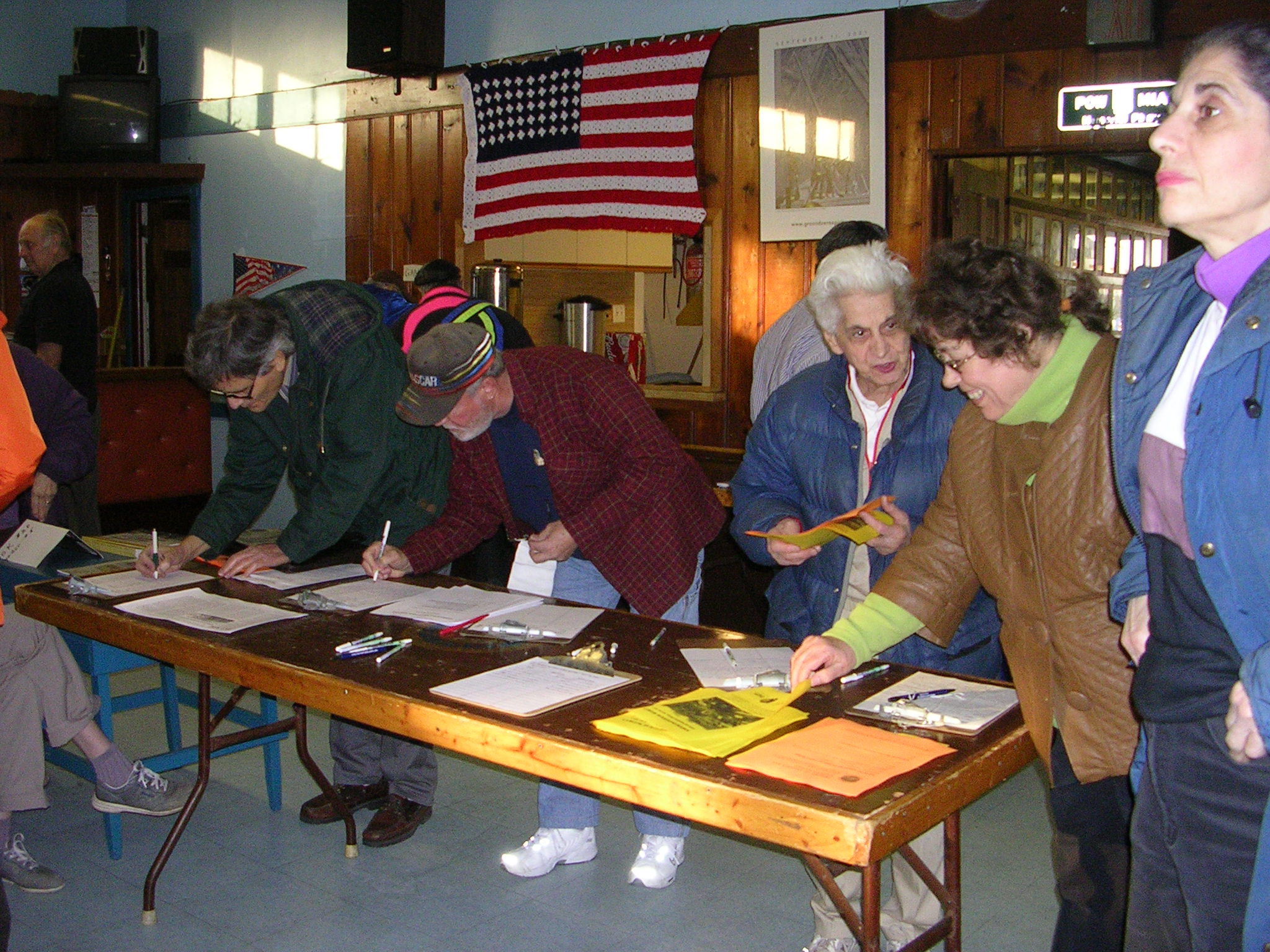
Democracy in Action--Sign In at the Meeting--Thurs. April 7, 2011

Fortunately, a very clear message was sent that people care deeply about this issue, even though most of the attendees seemed to be from three groups:  residents nearest the water and runways (Bayswater and Broad Channel), plus the boating, fishing and birding groups.  In my view, all of the residents and civic groups around Jamaica Bay need to pay more attention to this issue.    

I wouldn’t even make an attempt to summarize the very thorough presentations here. Jamaica Bay Ecowatchers has posted some materials on their Word Press blog, and there will be a piece in The Wave this Friday.  You may also have heard a brief interview with Geoffrey Croft of NYC Park Advocates discussing the meeting, which was broadcast on National Public Radio on Friday. 

The key takeaway point did not surprise me–there’s a lot of money being spent to manipulate a lot of information at the behest of businesses interested in making a buck (or two, or a billion) out of the airport.  Attendees at the big expensive conference in January to plot the future expansion of JFK were presented with reports that masqueraded as well-documented “facts” with fancy statistical tables.  But faced with Dan Mundy, Jr.’s thorough power point presentation rebutting it, and the great series of fishing photos presented with very dry and humorous narration by Captain Vinnie Calabro, the report by the Regional Plan Association (done at the request of the Port Authority of NY & NJ)  just couldn’t stand up to scrutiny.

Port Authority Representative Gets an Earful from Ida Sanoff, one of the Task Force's Dogged Advocates for the Bay

Which reminds me of another story…about another grab of property which, like Jamaica Bay, was meant to be held in trust for future generations–the Civil War-era Tobacco Warehouse near Brooklyn Bridge Park.  On Friday, the Bloomberg administration and our friends who run Riis Park and Ft. Tilden (the U.S. Department of the Interior) were enjoined from proceeding with a plan to demap the warehouse and another similar historic building from Brooklyn Bridge Park at the behest of a developer.  Since that case is relevant to many issues of public concern here on the peninsula of late, I think it’s apropos to quote the press release issued by the landmarks conservancy about the court decision:

The house of cards erected by the defense cannot withstand the gentlest breeze,” [the Judge] wrote.  Addressing the claim that the structures were included on the federal map “by mistake,” the Judge labeled it as “revisionist,” and flatly rejected it, saying, “there is . . . not a shred of evidence [to suggest a mistake].” The Court criticized [the National Park Service’s] decision to rely on information from the City and State agencies “without confirming or even investigating them or requesting any additional information or public comment.”  The Court also rejected the defendants’ assertion that the Tobacco Warehouse was “unsuitable” for outdoor public recreation.  The Court found the assertion was based on an “invisible record,” and accused the [National Park Service] of using “cherry-picked” information to support it.
   
In my view, we are very fortunate to have some capable advocates
working on the side of the residents who live near the bay.  The Jamaica Bay Task Force turned the “Big Ass Fan” on the JFK expansion plan…and the deck went flying!
 
All text and photos are copyrighted by Vivian R. Carter 2011, or used with permission of the source.
Posted in Business and Economics, New York City Government, New York State Government, Planet Earth, The Built World, The Land We Share, U.S. Government, Water and waterways | Tagged , , , , , , , , , , | 1 Comment

Shifting Sands and Strong Foundations

Jamaica Bay Shoreline (c) Vivian R. Carter 2009

Sometimes, I close my eyes and try to imagine what Rockaway must have been like in 1858.  When there were less than a dozen homes on the peninsula, and land was valued only for the salt hay it produced.  If I walk out of The Wave’s offices on Beach 90 Street after a hard day, and a warm wind is blowing from the shore side, my brain skips to picturing what it must have been like when the area was a pond, complete with eel pots and 30-foot high sand dunes on either side of Rockaway Beach Boulevard.

I have developed an abiding interest in the stories of Rockaway’s pioneers.  They really look rough and ready in their ancient photographs.  Most were men, but there were also some notable women on the peninsula.  You won’t find their portraits in the history books, but they played an important role, as well.

Turn-of-the-Century Chic--Rose Werner and Her Son, the Legendary Local Obstetrician, William E.F. ("Doc") Werner, photo courtesy Werner family

But unlike the pioneers of the American west, the peninsula’s founders were not beset by dust storms or wild animals, or warlike Native American tribes attacking with tomahawks.  As they built homes and businesses here over the next several decades, the pioneers would come to learn that their enemies were dysentery, typhoid and influenza, and the punishing Nor’easters and hurricanes.  Like the one in the fall of 1893, during which, according to Rockaway’s original historian Alfred H. Bellot, “the outer beach disappeared beneath the waves and every vestige of it and of all the buildings upon it was totally destroyed.”

On the list of obstacles, don’t forget fire, as well.  Although the great conflagrations in Rockaway seemed to have few human casualties, multiple businesses were destroyed by wind-whipped flames on more than one occasion.  In the days before government came to regulate every aspect of one’s business life, these pioneers created their own health department, volunteer fire department, life-saving stations, post offices, churches and schools.  They saw that cooperation and self-regulation were important to their mutual success, so they joined together and defined the basic necessities of the social compact.  Everything seemed to be going well until these hardy entrepreneurs ran up against one of the biggest enemies of all–outsiders.          

This obstacle reared its head early and has persisted to the present day.  I’m speaking of the distant power-brokers—the developers, bankers, and government officials who hold power over our lives and property. “Build it and they will come” hasn’t always worked in Rockaway.

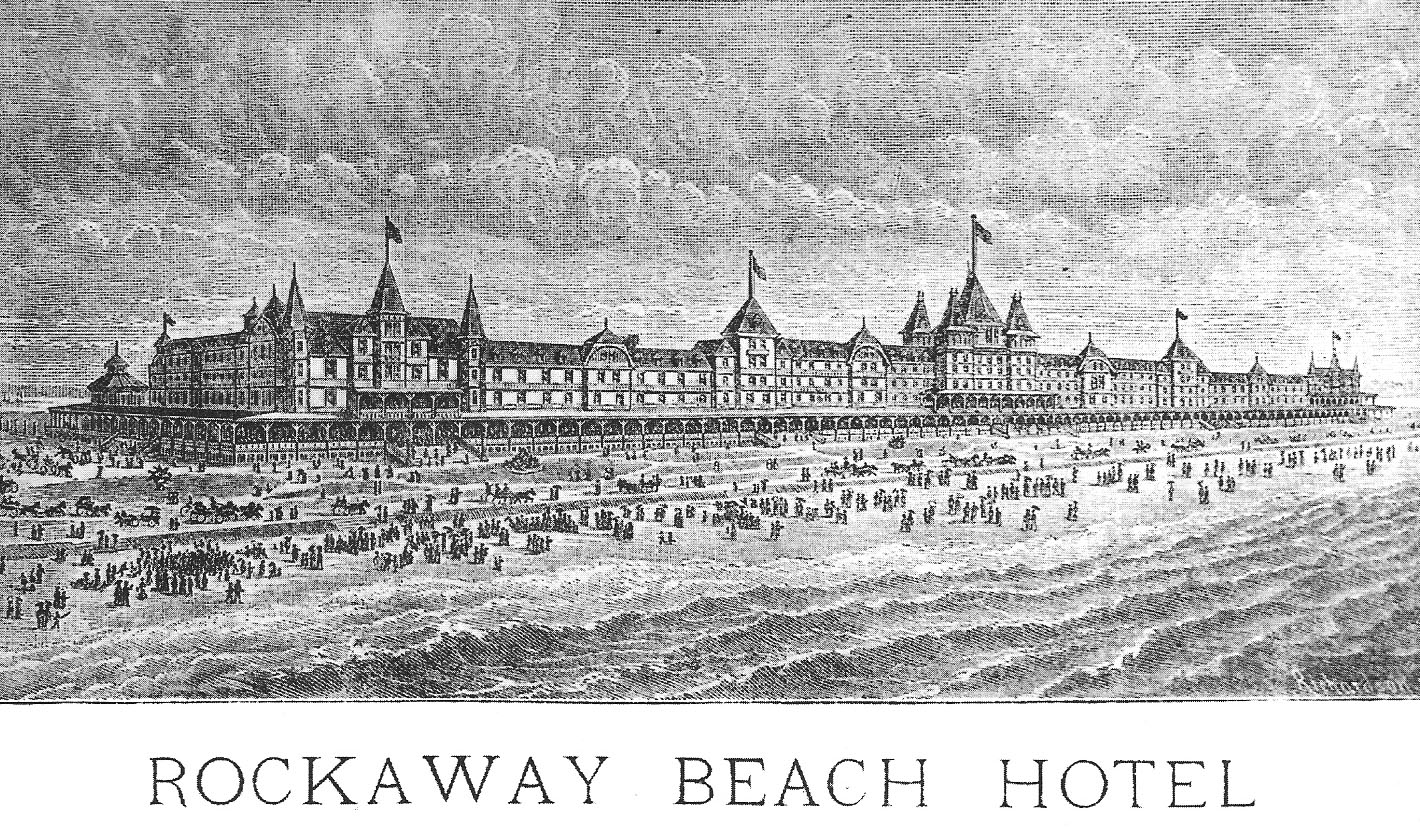
Drawing of Rockaway Beach Hotel, circa 1880

The Rockaway Park train station and manufactured gas plant nearby at Beach 108 Street, now a toxic waste site being remediated by National Grid, are the remnants of services and infrastructure originally built to meet the needs of the mammoth Rockaway Beach Hotel. Largest in the world at the time it was built in the early 1880’s, it stretched from Beach 112 to Beach 116 Streets, and had a grand staircase wide enough to accommodate 40 people, side-by-side.   Only one wing ever opened for business—for a month.  Several years later, the entire structure was dismantled, after the local builder of the hotel was “tied up in the blackest of legal knots” by a cabal of competing developers and bankers from off the peninsula.

To give other examples, New York City Mayor John Purroy Mitchel was no friend to Rockaway.  Twice, in 1915 and 1917, he vetoed bills that the state legislature supported overwhelmingly, allowing the peninsula to secede from the City of New York.  In the first three decades of the century, numerous proponents, including the city’s Deputy Dock Commissioner, Henry Meyer, advocated filling in much of Jamaica Bay to create a great series of shipping piers. Somehow that foolhardy idea was stopped, but Meyer’s spiritual heirs are now hard at work trying to expand the JFK runways, instead.  Different century, but the game’s the same.          

Then came Robert Moses, who gave Rockaway both of the bridges residents wanted, in the late 1930’s.  He also created a fabulous wildlife refuge in Jamaica Bay. But Moses razed the amusement areas and would have run highways straight through the residential neighborhoods of the peninsula if he had not been stopped.  Watching the classic “fist in the velvet glove” routine over and over must be boring to old-timers, I’m sure. 

Photo of the Rockaway Courthouse, The Wave, September, 1932

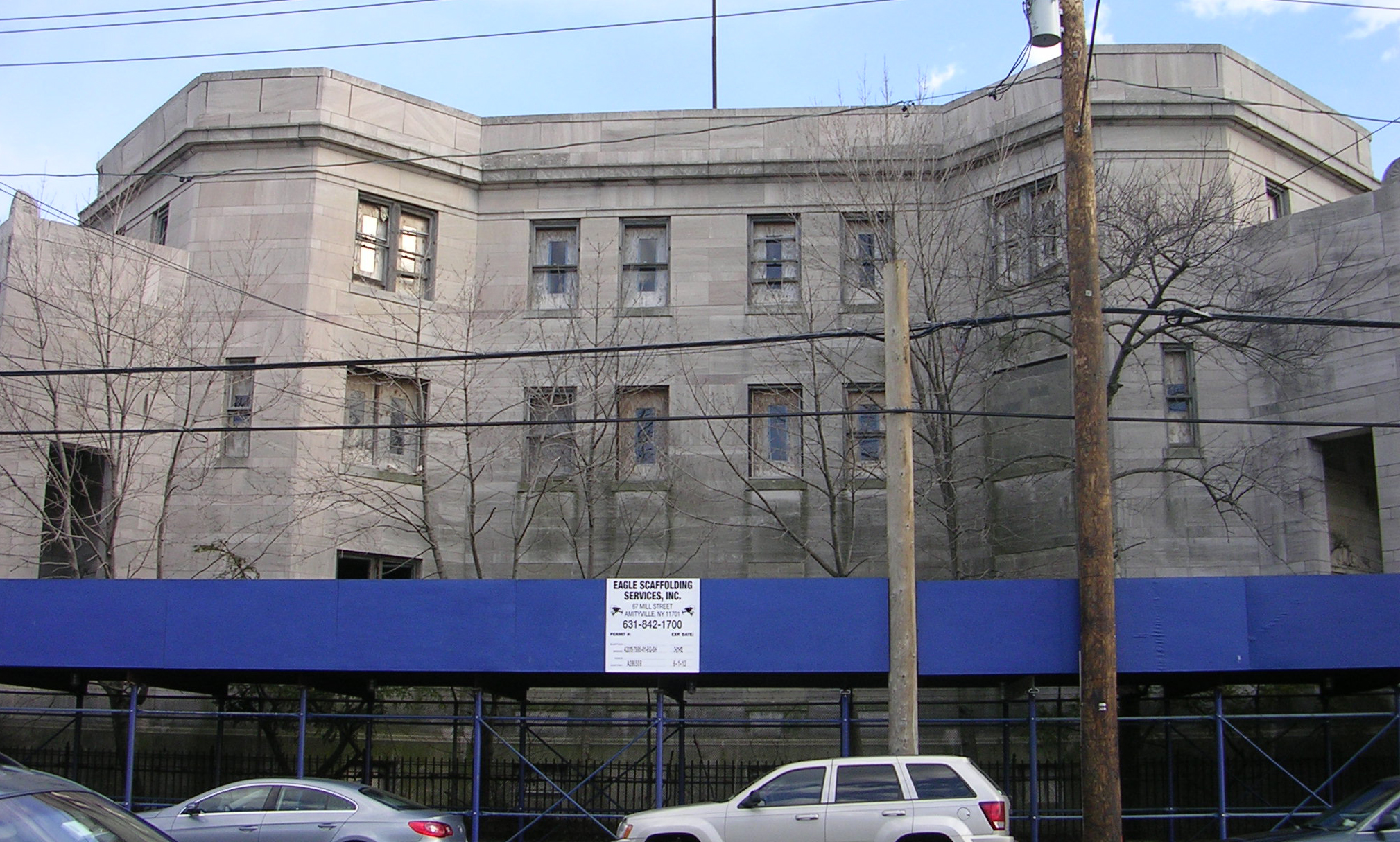
A final example of something the community wanted and put aside their differences to obtain, was the Rockaway Courthouse, at Beach 91 Street and Beach Channel Drive.  It opened with much fanfare in September, 1932, and was heralded as an attractive new grand entrance point to the peninsula.  That stone structure, although built on landfill, stands on 360 concrete spiles sunk into solid bedrock. Engineered to last for generations, it served the community for only about 40 years, before it fell into disrepair and was vacated and moth-balled.  Although not as grand as the Rockaway Beach Hotel, the builders were quoted in The Wave as touting the fact that its design ensured that: “all rooms have a maximum of light and air without exposure to street noise.”   

Rockaway Courthouse, April, 2011

I’m thinking about those pioneers more and more, as natural disasters and catastrophes induced by short-sighted human interactions with the environment seem to be in the forefront of the news these days. The BP oil spill, the nuclear disaster in Japan, and other earthquakes, tsunamis and floods in very recent years, are vivid reminders that we need to have more respect for the planet.  But instead, the power brokers of the Port Authority, Regional Plan Association and NYC Economic Development Corporation are chomping at the bit to build on every available inch of land bordering the tiny areas of remaining Jamaica Bay marshland, and dump tons of landfill into the Bay to expand JFK Airport.

All I can say to them is—don’t partially fill in Jamaica Bay.  That would cause the water levels to rise, flooding our homes and streets and making our neighborhoods uninhabitable.  If you’re going to destroy Jamaica Bay, at least go all out.   Pave the entire thing.  That way, we can drive right over it and we won’t have to pay your g-d bridge toll!

How’s that for a trade?

All text and photos are copyrighted by Vivian R. Carter 2011, or used with permission of the source.

Posted in Business and Economics, New York City Government, The Built World, The Land We Share, Water and waterways | Tagged , , , , , , | 1 Comment

In the Still of a Cold Rockaway Night, Oldies Bid Goodbye

Sound Check Before the Show--Manhattan Skyline

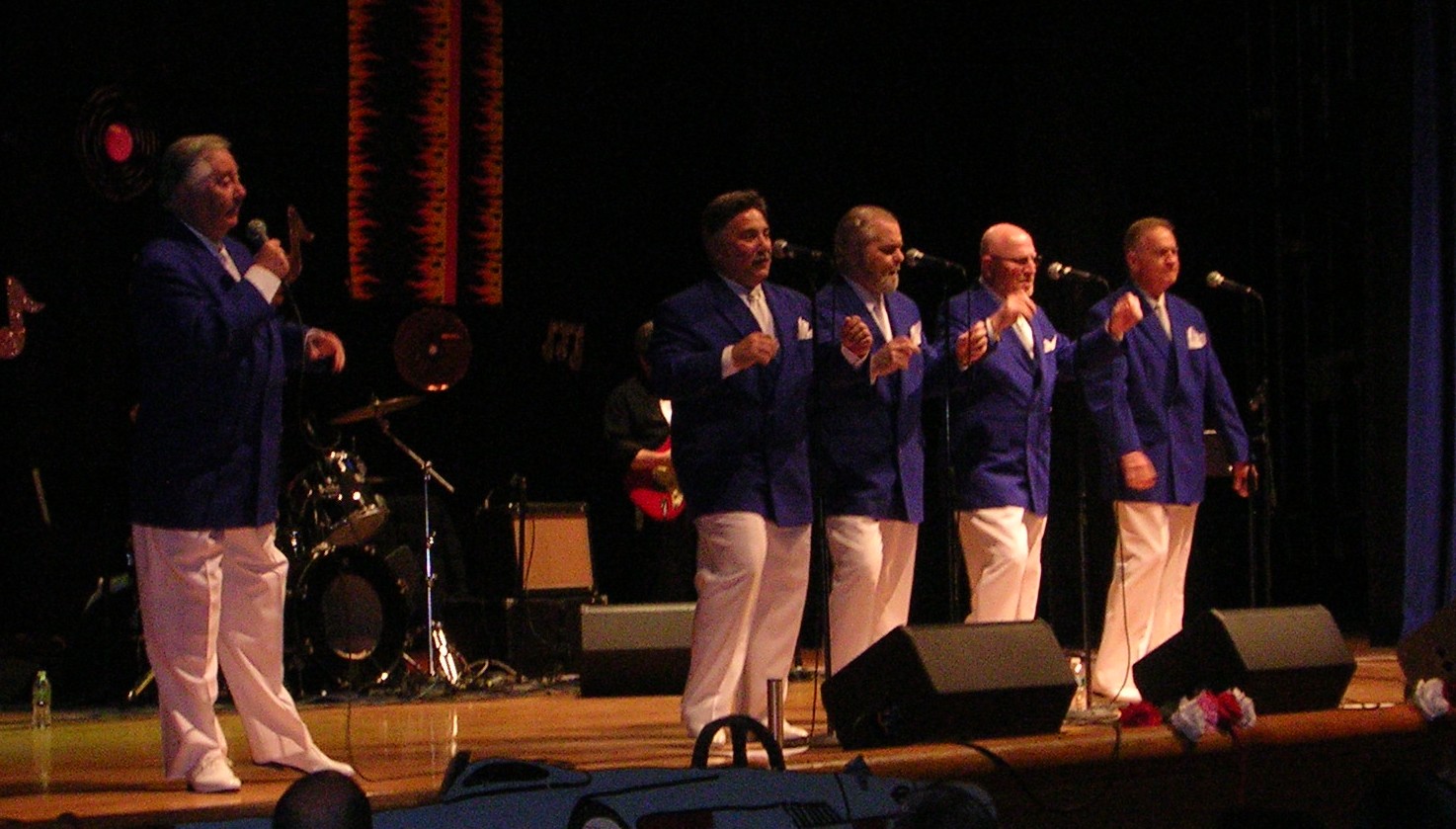
The Five Satins did not appear.  But their standard, “In the Still of the Night,” showed up twice.  The audience at Beach Channel High School’s 18th Anniversary Doo Wop Spectacular on Saturday, March 26, heard one version of the song from Manhattan Skyline, a tribute group of performers from various 1960’s ensembles. 

The Manhattan Skyline

Then, Rockaway’s own Kenny Vance and his Planotones belted their interpretation as the show came to a close at 12:28 a.m.  Shh… Don’t tell the Board of Ed.  We were supposed to be out of there at midnight!

Rockaway's Own Kenny Vance Ruled the Stage

Rarely do you see hundreds of people peacefully enjoying themselves on the peninsula after midnight–particularly at an event in which alcohol is not involved. When the concert ended, we stepped out into freezing temperatures and a stiff wind off the bay.  Thankfully, the long evening of music had warmed us from the inside out! 

Another rarity–this concert has always attracted Brooklyn and Queens mainlanders to the peninsula in droves.  And they pay a good price for tickets ($37-45), with a portion of the proceeds donated to the Susan G. (Komen) Memorial Scholarship Fund.  Volunteers from Lew Simon’s political clubhouse usually step up to sell the 50-50 tickets, and last night the pot was over $800–Rockaway’s version of the Mega Millions jackpot. 

Yet, the long-running annual extravaganza may be coming to a close after 18 years, a victim of rising production costs, changes at the Beach Channel campus, and shrinking audiences.  Forty-five dollars may seem like a lot for a ticket to anything that doesn’t include a meal. But, you get five hours of top-quality music, plus a chance to buy a cupcake home-baked by the BCHS home economics students, under the guidance of their teacher, local Sheila Murray.   That’s on a par with the Rockaway Theatre Company, which charges $20 for a 3-hour Broadway musical, and also offers yummy home-baked cakes for sale.   

Fireflies Covered R&B Standards With Flair

Three Fireflies Sign Autographs After Their Performance

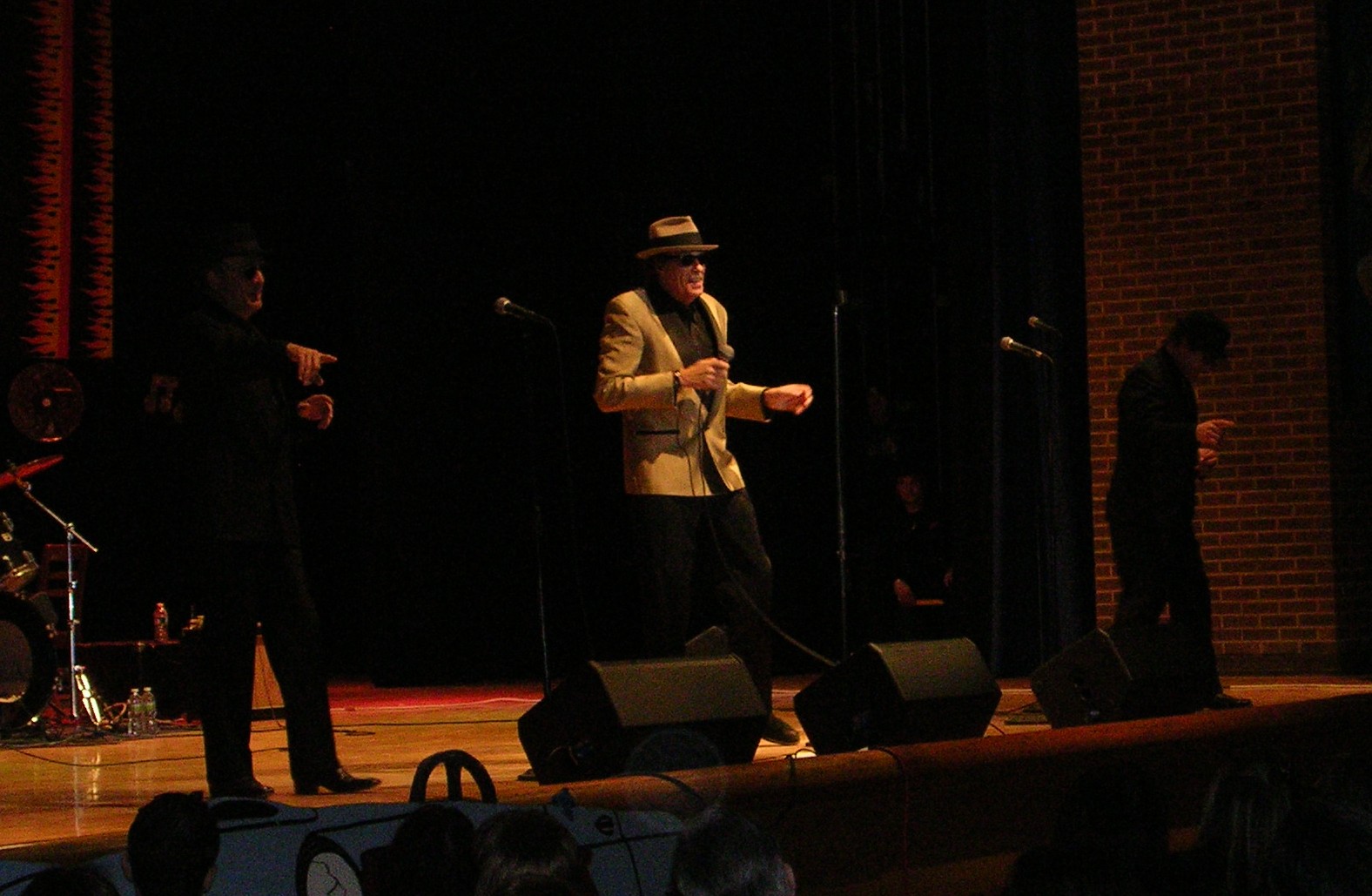
Back to doo wop.  If you think that a bunch of 70-something guys from Staten Island and Brookyn can’t convincingly carry off the dance moves on an R&B favorite, you would be very wrong.  You haven’t seen the Fireflies.  I learned to dance on the urban playgrounds of 1960’s Cleveland, with an all-R&B soundtrack, so I’m a pretty tough critic of the “white guy shuffle.”  The Fireflies exceeded my expectations on that score, and so did virtually the entire group of performers, from the U.K.’s Gene Pitney/Roy Orbison impersonator, Tony Lee, to the well-known Vito & the Salutations (theirs was one of the more bankable 1960’s recordings of “Gloria”).

Vito & The Salutations Take a Bow

However, the group that got me all misty-eyed was the Quotations, with their rendition of “Smoke Gets in Your Eyes.”   

Kenny Vance is my hat- and sunglasses-clad, Beach 137 Street neighbor who is often seen around the area on his bicycle.  I think he must be close to 70, yet he seems to be a kid at heart.  Kenny achieved fame in the 1960’s, alongside lead singer Jay Black, as a member of Jay & The Americans.  It’s always a treat to hear him spin memories of teen “makeout parties” in a Neponsit basement, back when he was known as Kenny Rosenberg. 

Kenny Vance & The Planotones Prefer to Keep The Lights Low

Last evening, he proved (several times) that he still has the pipes to hold the high notes as well as his more-famous counterpart.  On the stage at BCHS, Kenny and the Planotones gave the group’s signature hit, “Cara Mia,” way more passion and energy than Black did when he performed it with three fairly listless back-up singers on the recent PBS oldies special produced by T.J. Lubinsky.  The Planotones just ooze togetherness, which I find so appealing.  And who can resist the unabashedly romantic ballads of that era, when they transport us back “Under the Boardwalk” or “Up on the Roof?”  Perhaps your 18-year-old heavy metal fan would be a lone hold-out.

Christina of Manhattan Skyline During Sound Check

In short, the last time I saw the stage at BCHS rocked quite so solidly was about five years ago, during one of the final concerts of the school’s gospel choir, under the direction of the late Ronald Kornegay, a phenomenon whose life was cut short in a truly untimely fashion.

So, the peninsula bids goodbye to doo wop, and possibly, BCHS and its memories, this year.

All text and photos are copyrighted by Vivian R. Carter, 2011, or used with permission of the source.

Posted in The Arts and Entertainment | Tagged , , | 2 Comments

Sinners and Saints–Your Choice This Week!

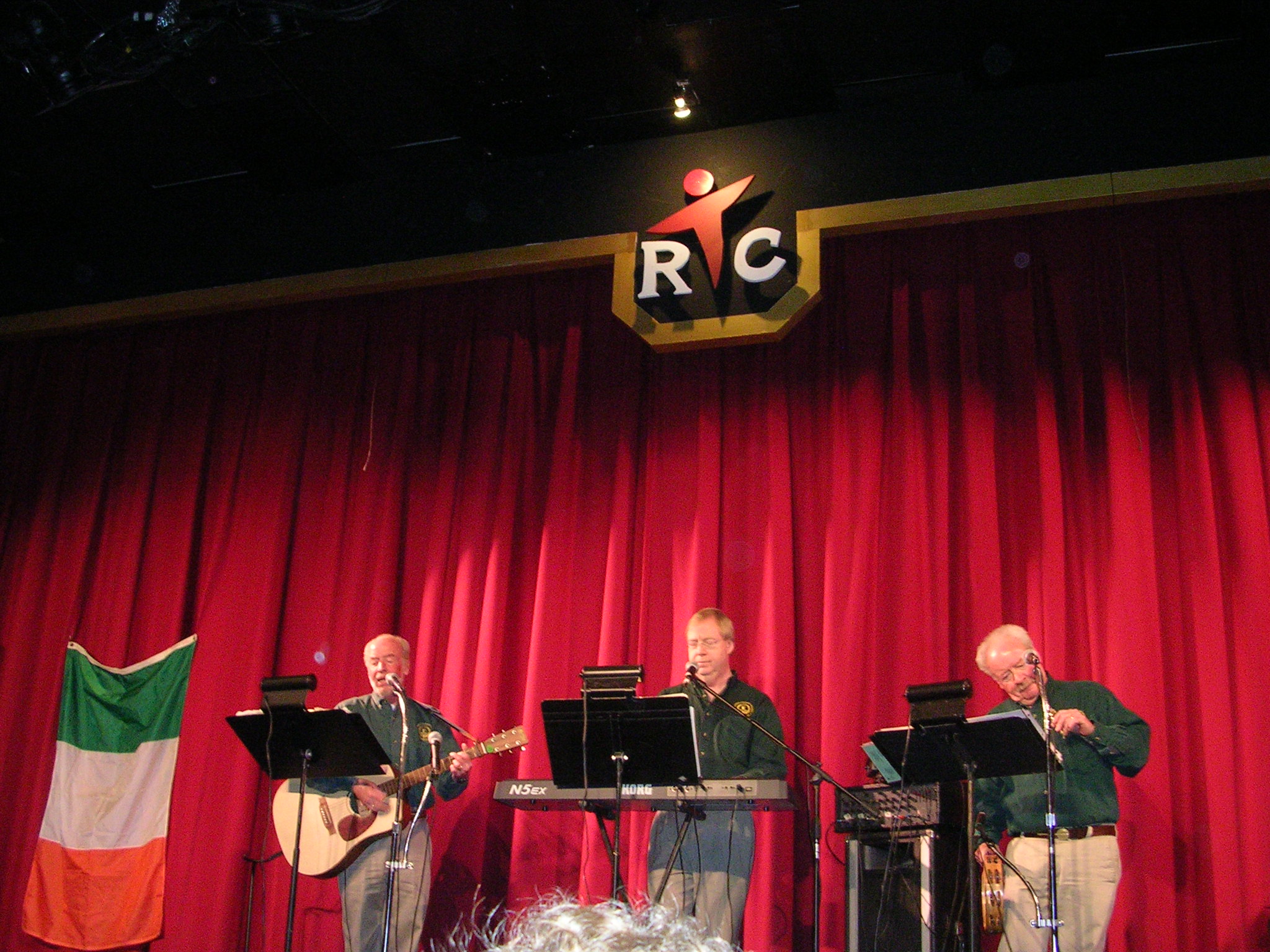
John Gilleece, Artistic Director of Rockaway Theatre Company, Leads Volunteer "Drunken Sailors"

In case you’re not a fan of beer drinking, here’s a novel way to celebrate St. Patrick’s Day—by reading a great book about the history of Ireland. “How The Irish Saved Civilization,” the first title in Thomas Cahill’s “Hinges of History” series, tells the dramatic story of the monks and scribes of Ireland who preserved the written treasures of the Western World when the barbarians started trashing the European continent after the fall of the Roman Empire.
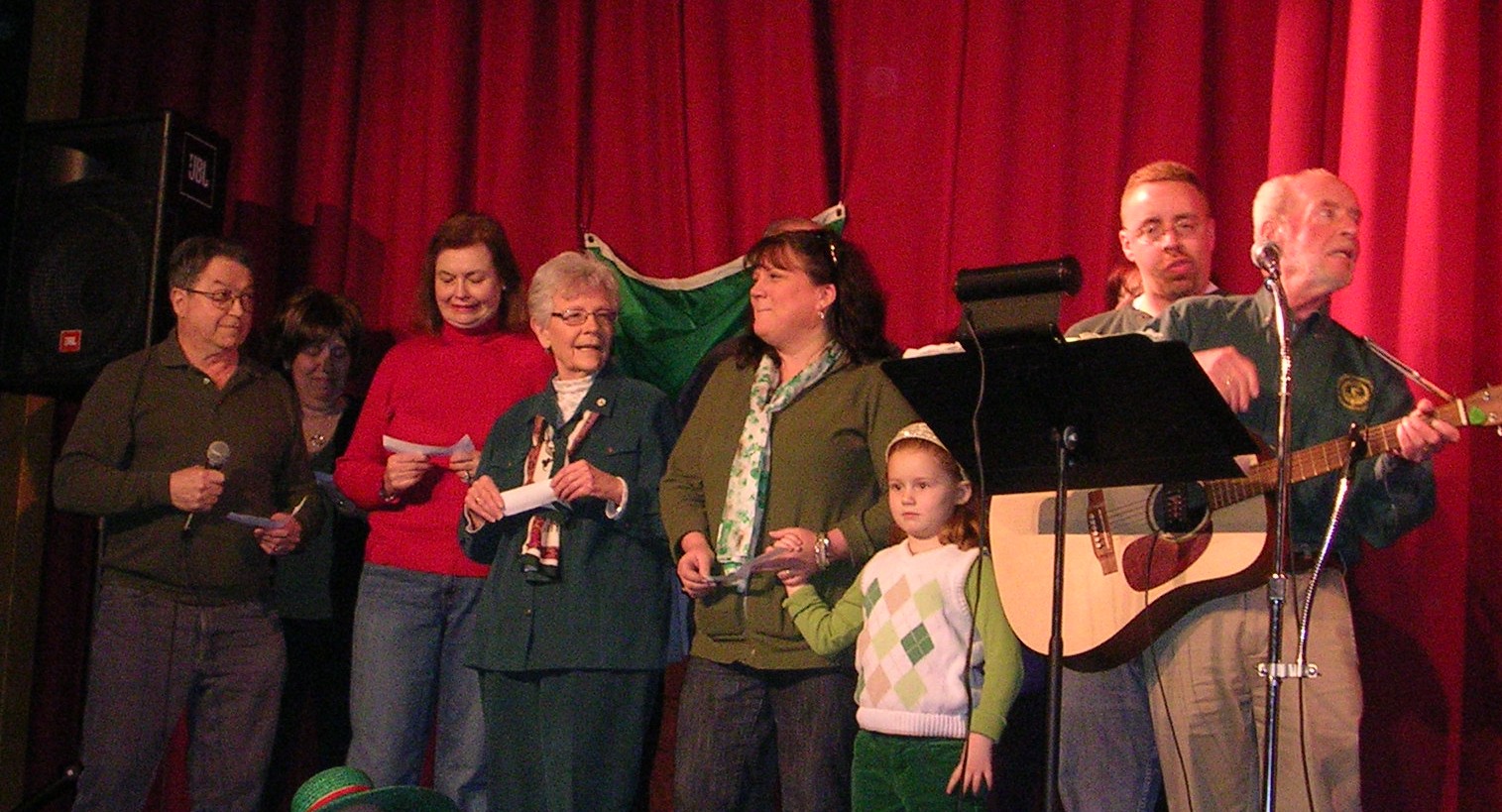
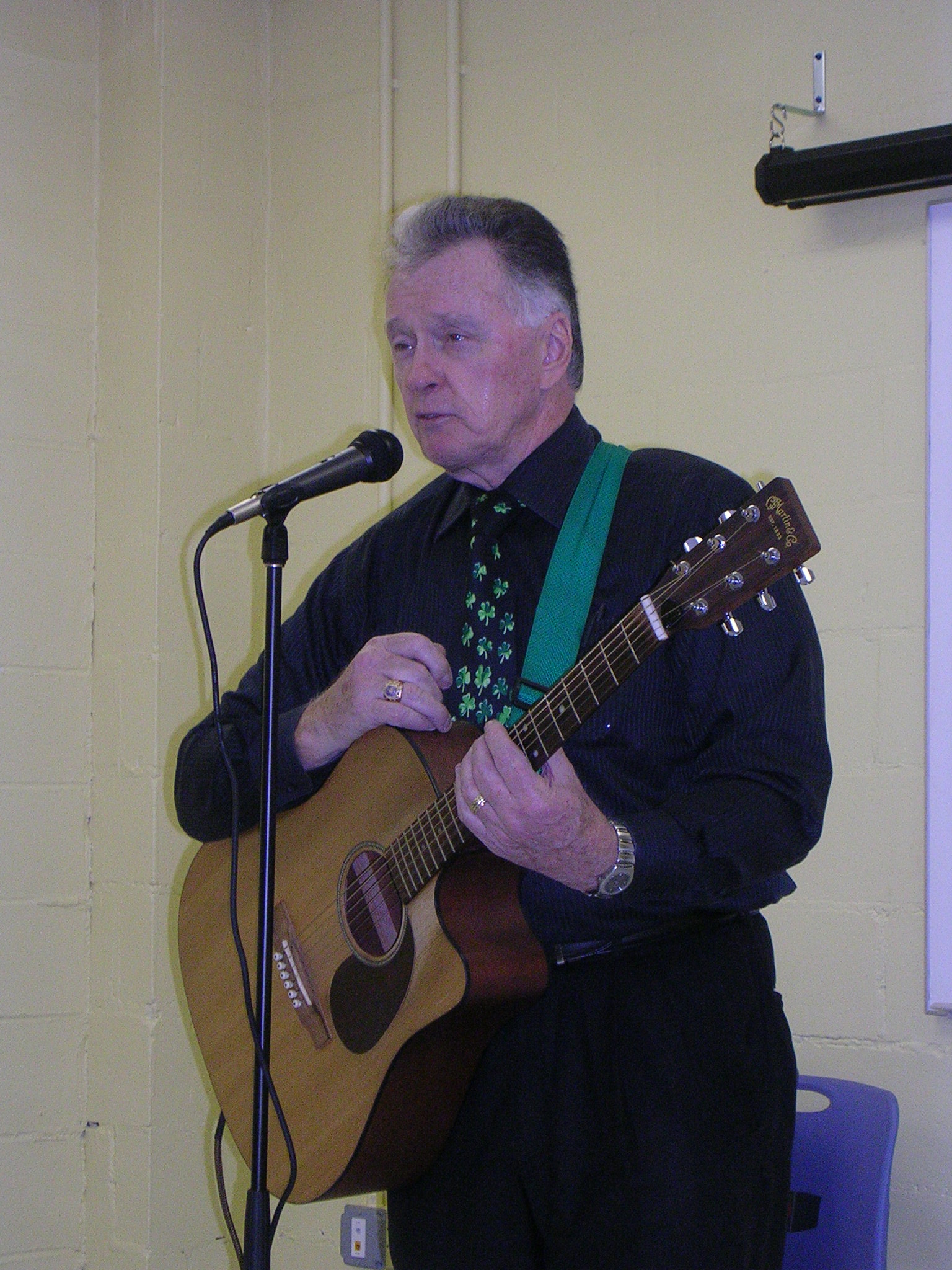
The book is just a little over 200 pages, the typeface on the pages can be read without a magnifying glass, and it’s written in a breezy and engaging way.  It’s available at the Queens Public Library (and in online stores, as well, no doubt).  The great thing about choosing the library option is that you can stop to pick out a book, and on days like Friday, enjoy a free Irish music concert, as well!  Breezy Point resident Ed Deacy led the packed-house festivities at Seaside Library near Beach 116 Street on Friday.  Don’t get that from Amazon or Kindle, now do you?

Local Entertainer Ed Deacy Sings at Seaside Library

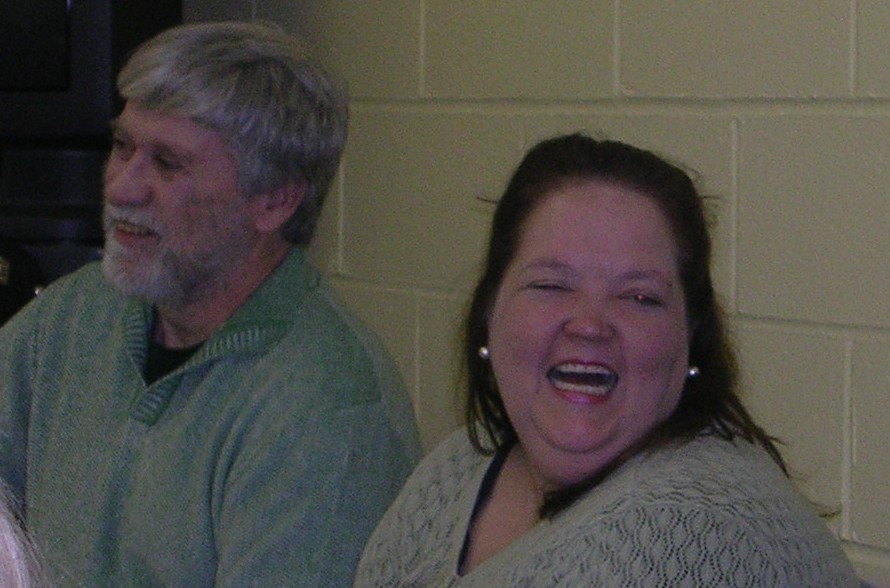
The Lilt of Irish Laughter at Deacy Show


Back to the book.  Though it was written over a decade ago, many of its insights seem quite apropos to events of the day.  In his concluding paragraphs, Cahill notes that more than a billion people in our world are now surviving on less than $370 a year.  He instructs us to look to the fall of Rome for clues to the inevitable result when a burgeoning impoverished population comes into conflict with a rich and ordered society like the Romans.

Cahill theorizes that the Romans ran things THEIR way and strived to accrue more resources because they instinctively believed that there would never be enough to go around.  He contrasts that civilization with the one established by universalists such as the Irish Catholics, who believe that all humans are equal children of God, and that we can all be saved by faith, hope and love.  Ultimately, Cahill concludes that “if our civilization is to be saved…it will not be by Romans but by saints.”  What an inspiring thought at this moment in history!

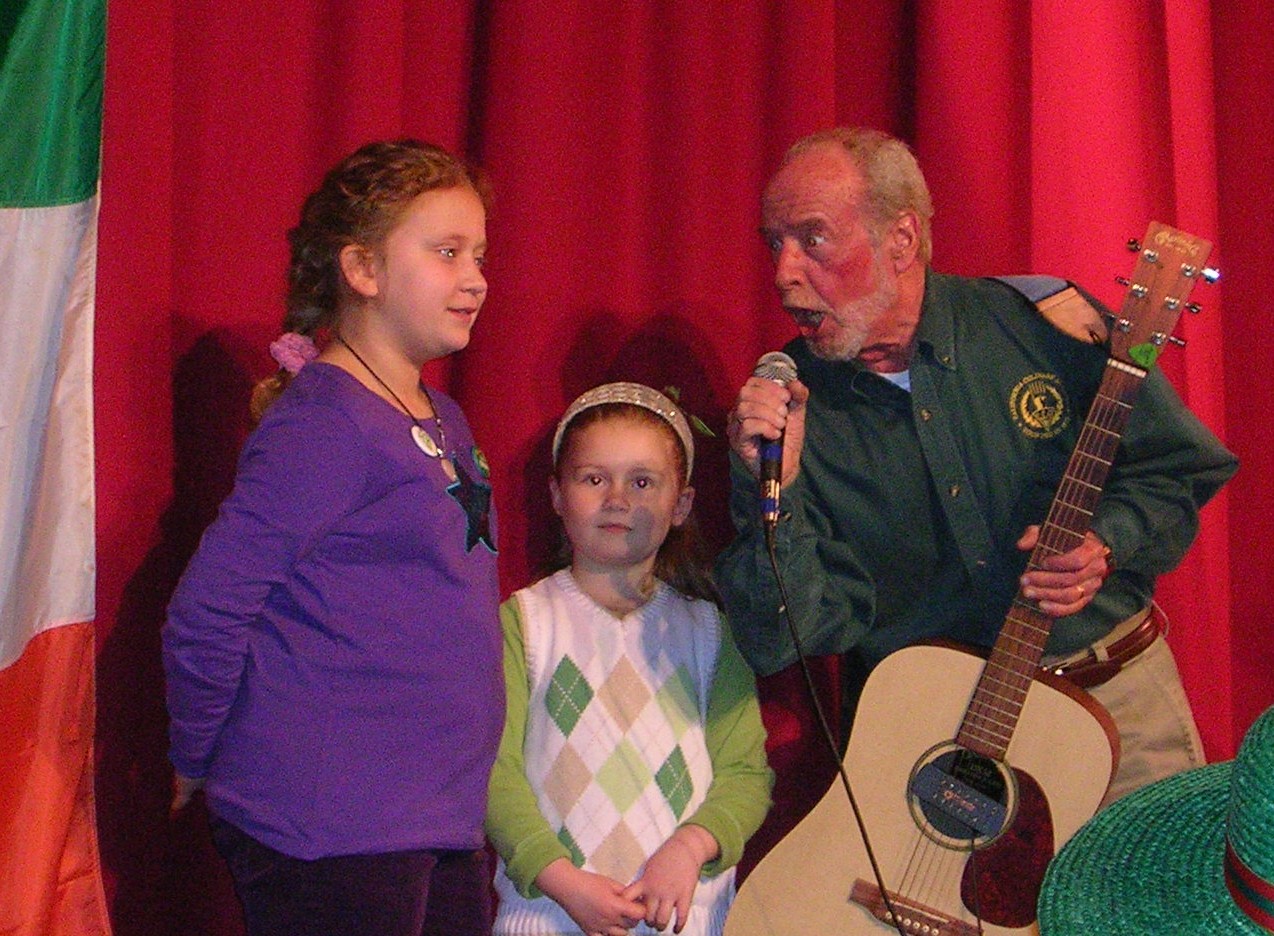
Gilleece Hams it Up with Grandkids at Rockaway Theatre Company Irish Song-Fest

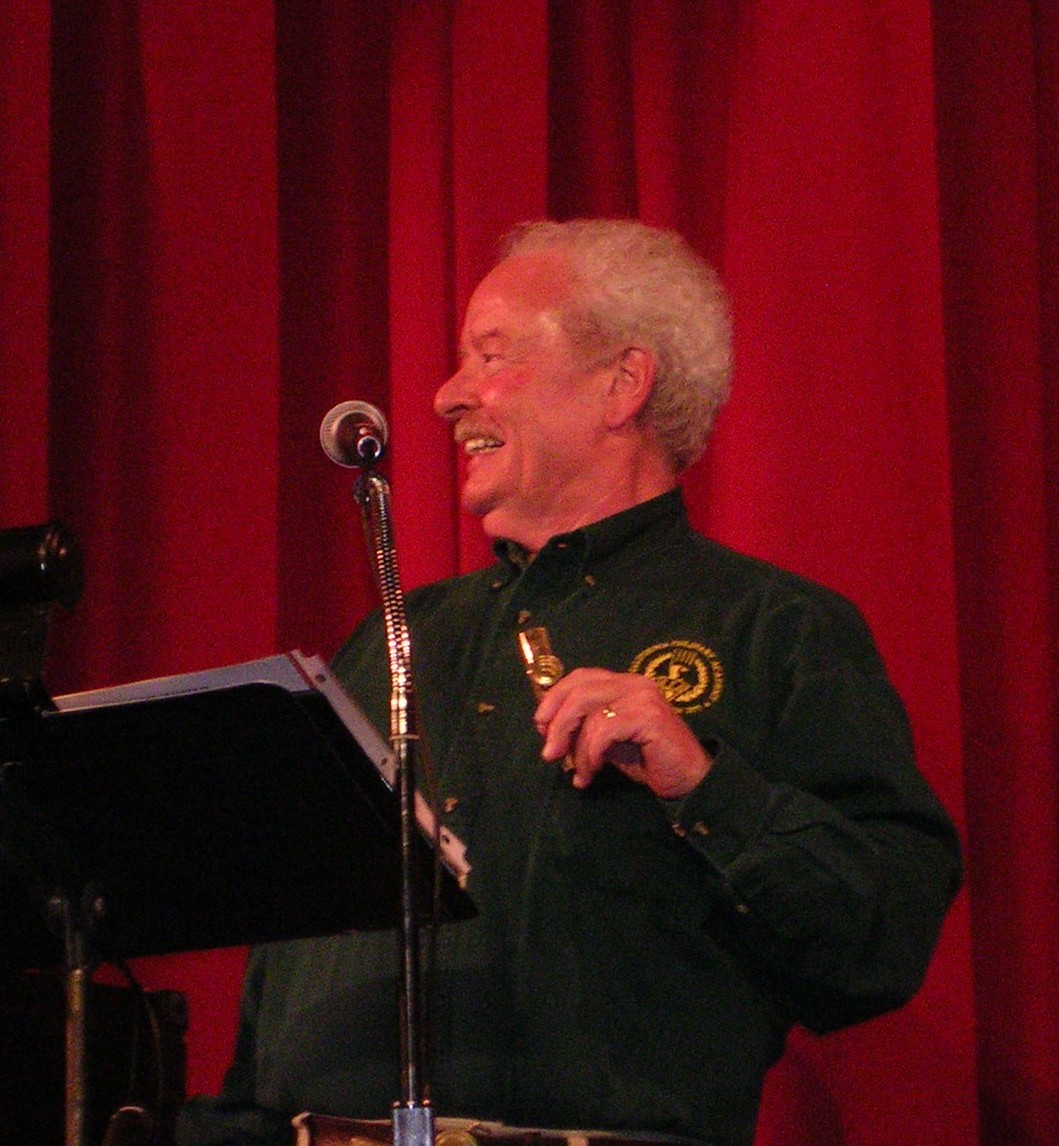
Continuing with the sinners and saints theme, the Gilleece Twins and Chris Benedict offered up their sometimes bawdy Irish song and joke-fest to an audience of about 90 at the Rockaway Theatre Company in Ft. Tilden on Sunday.  It was great fun for all.  Where else in the city does $16 get you a great show and a slice of gourmet soda bread, home-baked by a world-class pastry chef, Cynthia Peithman, who just happens to live in Rockaway and loves the RTC?

Gilleece Twins are Kazoo Experts!

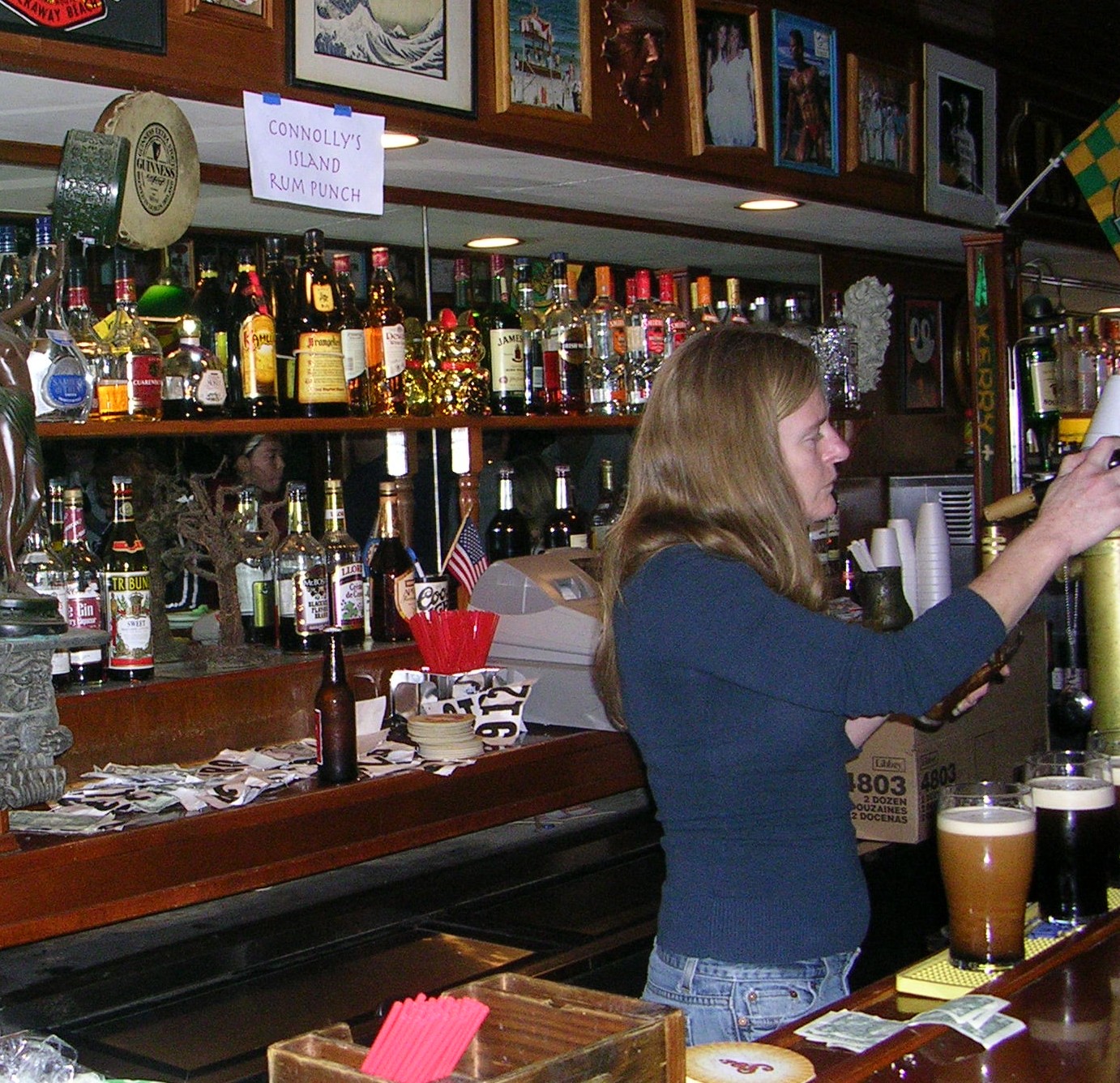
Congrats to Dalton’s Seaside Grill of Beach 108 Street and Rockaway Beach Boulevard,  featured in the Sunday, March 13, 2011 New York Daily News as the place to find the city’s “Best Poured Pint of Guinness.”  Of course, it’s relevant to note that regardless of which local Irish pub you choose, be it Connolly’s, Rogers, Blackwater, or any other, the pint will be poured properly in Rockaway.  If Moses had been Irish, that would have been one of the Ten Commandments—thou shalt not draw the beer too quickly, or without care…

Drawing a Pint at Connolly's

Drawing a Pint at Connolly's in Rockaway Beach

And speaking of the fall of the Roman Empire, let’s ask the politicians and city agencies some serious questions about crumbling peninsula infrastructure this week.  As long as you’re not planning to ask Carl Kruger, the State Senator representing neighboring Mill Basin in Brooklyn.  According to recent news reports, Kruger has been securely in the pocket of Forest City Ratner, the developer of one of the Jamaica Bay marsh-paving projects proposed at Four Sparrow Marsh, near Toys R’ Us on Flatbush Avenue. Carl could go down, as he faces federal corruption charges, and another new State Senate slot will open in Brooklyn.   Let’s hope that marsh development project goes away, as well, which is not likely, since it’s listed as a priority development project in the new waterfront plan issued by Mayor Bloomberg on Monday, March 14, 2011.  Local residents and environmentalists plan to stop the development from proceeding. The battle is on! 

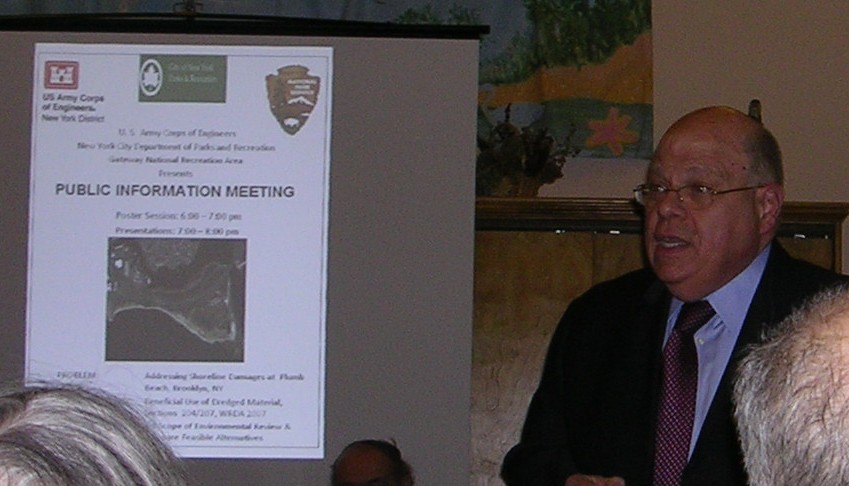
Assemblyman Carl Kruger at Plumb Beach Meeting, Feb. 2011

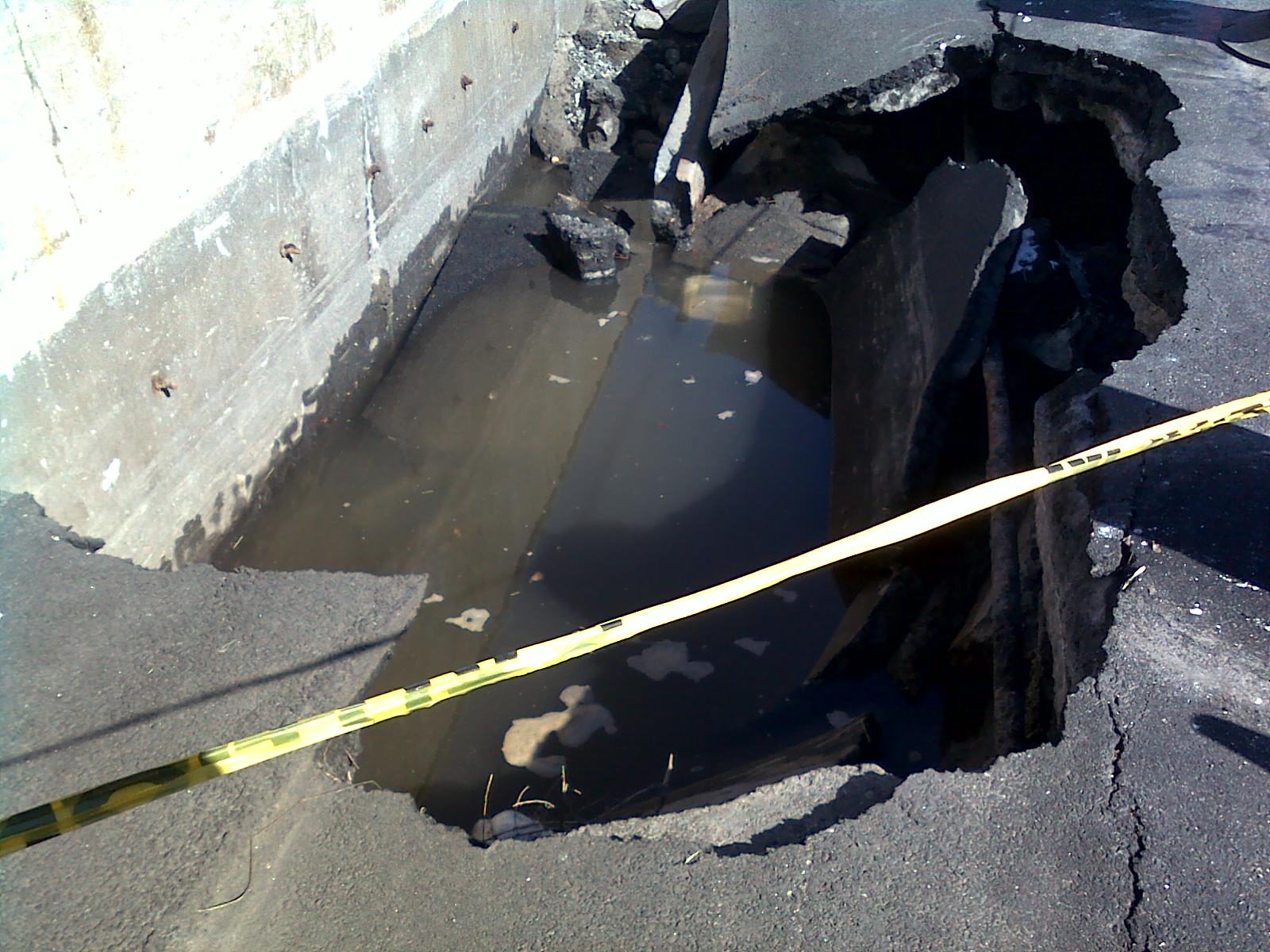
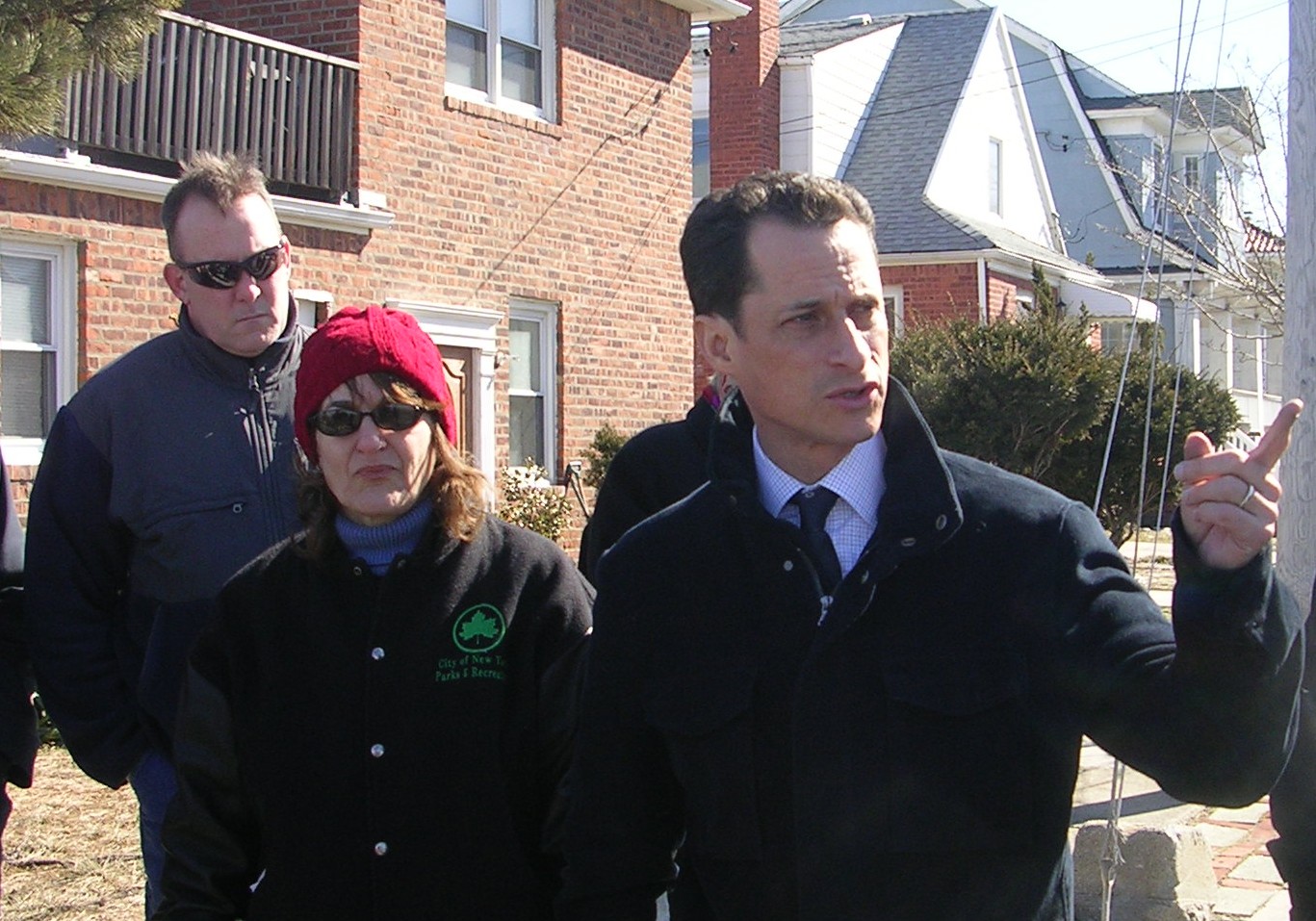
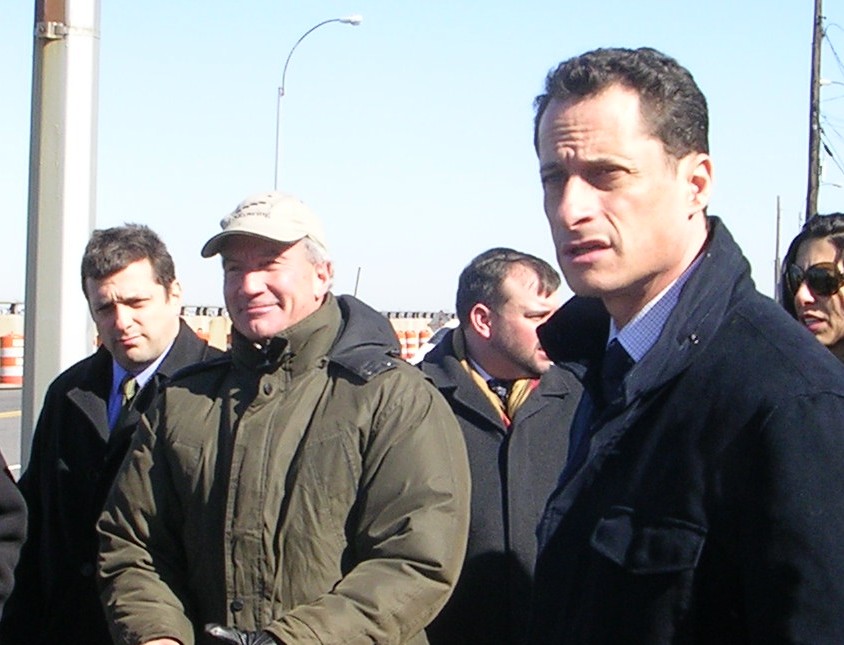
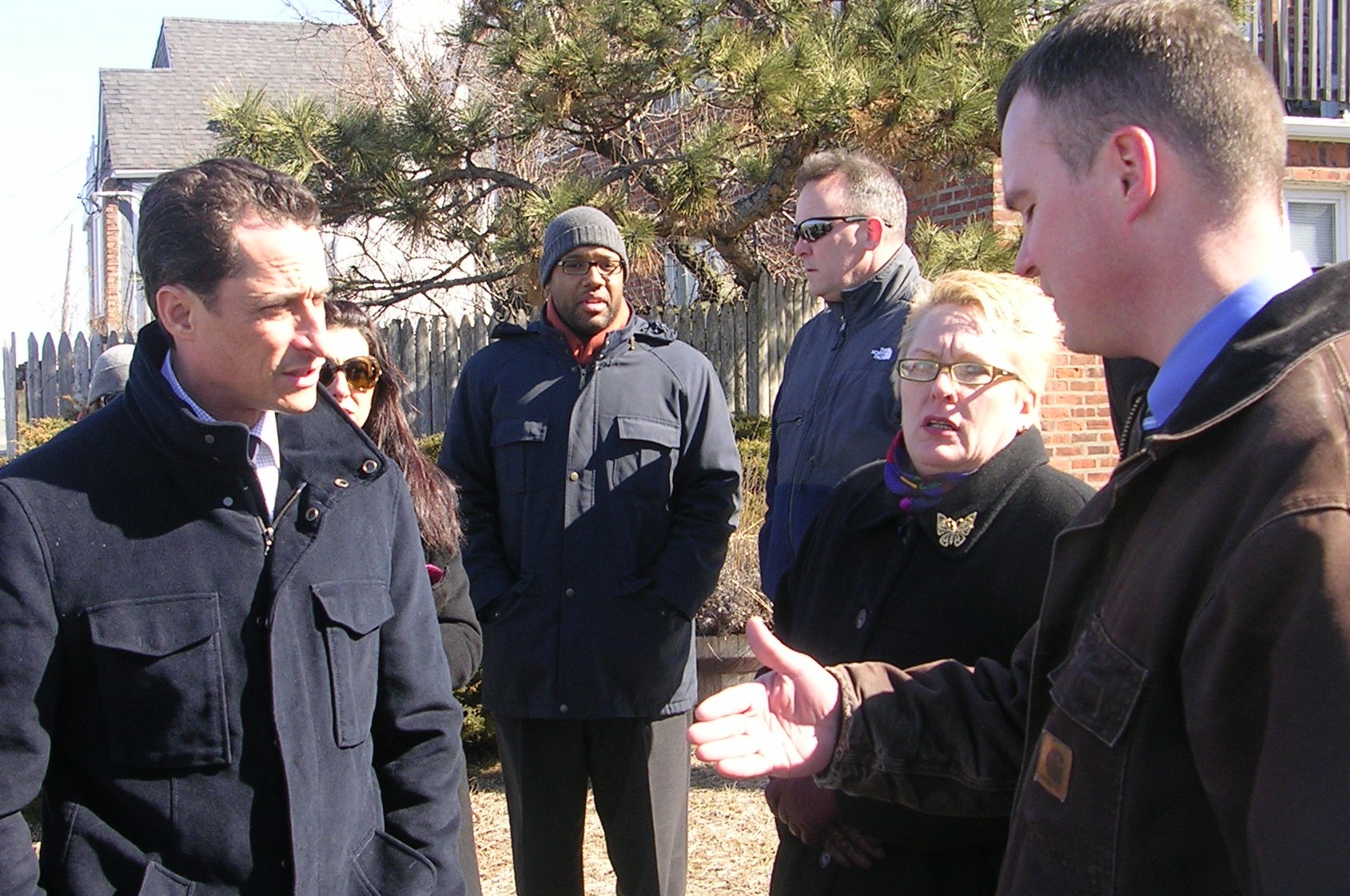
Which brings us back to crumbling infrastructure. U.S. Congressman Anthony Weiner, mayoral candidate in waiting, is going for broke.  Proposing to tear down bike lanes, remove statues insulting to women, and maybe even fix some things in the west end of the Rockaways.  He seems to be the catalyst of a collaboration among various politicians, plus city and federal agencies, to repair the rapidly deteriorating section of the bay wall between Beach 131 and Beach 137 Streets. It seems that not much was moving forward until a good-sized hole in the roadway busted open about two weeks ago, near Beach 131 Street. The hole was recently filled with what appears to be gravel, in a temporary, stopgap measure. Traffic cones and a Jersey barrier were installed to prevent any further cave-in.  This weekend, some kind of crane (the yellow, metal kind) appeared in the water near the cave-in.

Cave-In at Beach 131 Street--photo courtesy Rick Horan, My Rock Park

Weiner Gestures as Jill Weber of NYC Parks and John McCann of My Rock Park Stand By

Rick Horan of My Rock Park (in hat) and Weiner


Weiner (L) questions Clancy of EDC (R), while Shapiro of Pheffer's Office Listens

So come to a meeting at PS 114 on Tuesday, March 15 at 7:00 p.m., to see if a reasonable effort is being made to repair the wall in a more permanent fashion.  At a press conference two weeks ago near the cave-in, I asked Weiner to request that scuba divers take some underwater photos of the damage for residents to see, since the rest of us aren’t usually able to jump over the side of the bay wall to assess the situation.  He acknowledged the wisdom of this idea, but I doubt that he can get it done alone, since he seems to be better at playing hockey than scuba-diving.

Given those mesmerizing before and after photos of the Japanese coastline being published since Friday’s earthquake and tsunami, perhaps those of us who invested a quarter million or more in homes on the peninsula ought to start demanding these kind of detailed reports from the politicians and government agencies.  Ironic that Mayor Bloomberg’s long-heralded plan to spend billions on developing our waterfront is finally being issued today.  He couldn’t have worse timing!  Take a look at some of the waterfront parks (and roadways) in those Japanese towns that got completely wiped out in one day of nature’s fury.  Kinda’ changes the whole definition of “upland communities,” when a wave washes miles ashore, scraping away everything in its path.

If there’s a reasonable risk that things can be busted up or washed away by the uncontrollable forces of Mother Nature, perhaps it’s not prudent to build concrete structures at those locations in the first place.  But our politicians (particularly Bloomberg) seem like there’s never a concrete structure supported by a high-priced lobbying firm that they don’t love!  The ecologists fighting to stop the proposed extension of the runways at JFK Airport, imprudently located along the shore, couldn’t ask for a better marketing tool than the photos of the ruined airport near Sendai, Japan, with scores of planes and runways reduced to rubble.  

An example of something else that shouldn’t have been built where it is along the shore is the Belt Parkway, clinging to its constantly eroding sandy underpinnings near Plumb Beach.  Did you see those photos of the railroad bridges supported by earthen substructures in Westchester and New Jersey that crumbled during the recent flooding?  If we are hit by a major Nor’Easter or minor hurricane in the near future, it looks like the Belt Parkway will share the predicament of the railroad bridges.  Better start allocating lots of money to build a man-made structural support for the roadway and the bike lane.

If you are out and about on Thursday, March 17, be careful how much you celebrate.  While you are at it, be sure to thank someone of Irish heritage for saving civilization.

All text and photos are copyrighted by Vivian R. Carter 2011, or used with permission of the source.

Posted in Business and Economics, Local Government-Rockaway Peninsula & Broad Channel, New York City Government, New York State Government, Philosophy, Religion and Philanthropy, The Arts and Entertainment, The Built World, The Land We Share, U.S. Government, Water and waterways | Tagged , , , , , , , , , , , , , | Leave a comment

One 5K Race, One Parade, One Beer

A Boy and His Dog Enjoying the 2010 Queens County St. Patrick's Day Parade

In the category of “only in Rockaway,” St. Patrick’s Parade Day this year featured a 5k running race on the boardwalk, starting at 9:45 a.m., with an after-party at Connolly’s on Beach 95 Street.  One free Guinness on tap was included with your registration, and since the race was put together by local bakery entrepreneur John Edwards, cheesecakes and soda breads were awarded to the top finishers! 

I haven’t run a 5k in many moons, but I decided to join in anyway.  There were about 110 runners in competition, including about 10 participants under the age of 20.  Some of the youngest were newborns in strollers or their mamas’ arms. 

It took me about 35 minutes to finish.  I don’t believe I’ve ever downed a draft beer before noon in my life…I’ve definitely never done it within an hour of a three-mile run!  I guess there’s a first time for everything. Check that one off on the bucket list.

With summer approaching, training for the Rockaway spring running race season is a great way to trim down.  Another time-tested method: ride your bike to Howard Beach along the Gateway Greenway a couple of times a week.  Or take a few of Anita Ruderman’s great Hot Yoga classes each week.  Be prepared to sweat buckets!  Her studio is on Beach 116 Street above the laundromat.  If you prefer to join a gym, in addition to its equipment and cardio classes, Cyberzone at Beach 104 and Rockaway Beach Boulevard offers a special class for the over-50 set called “Boomercise.”

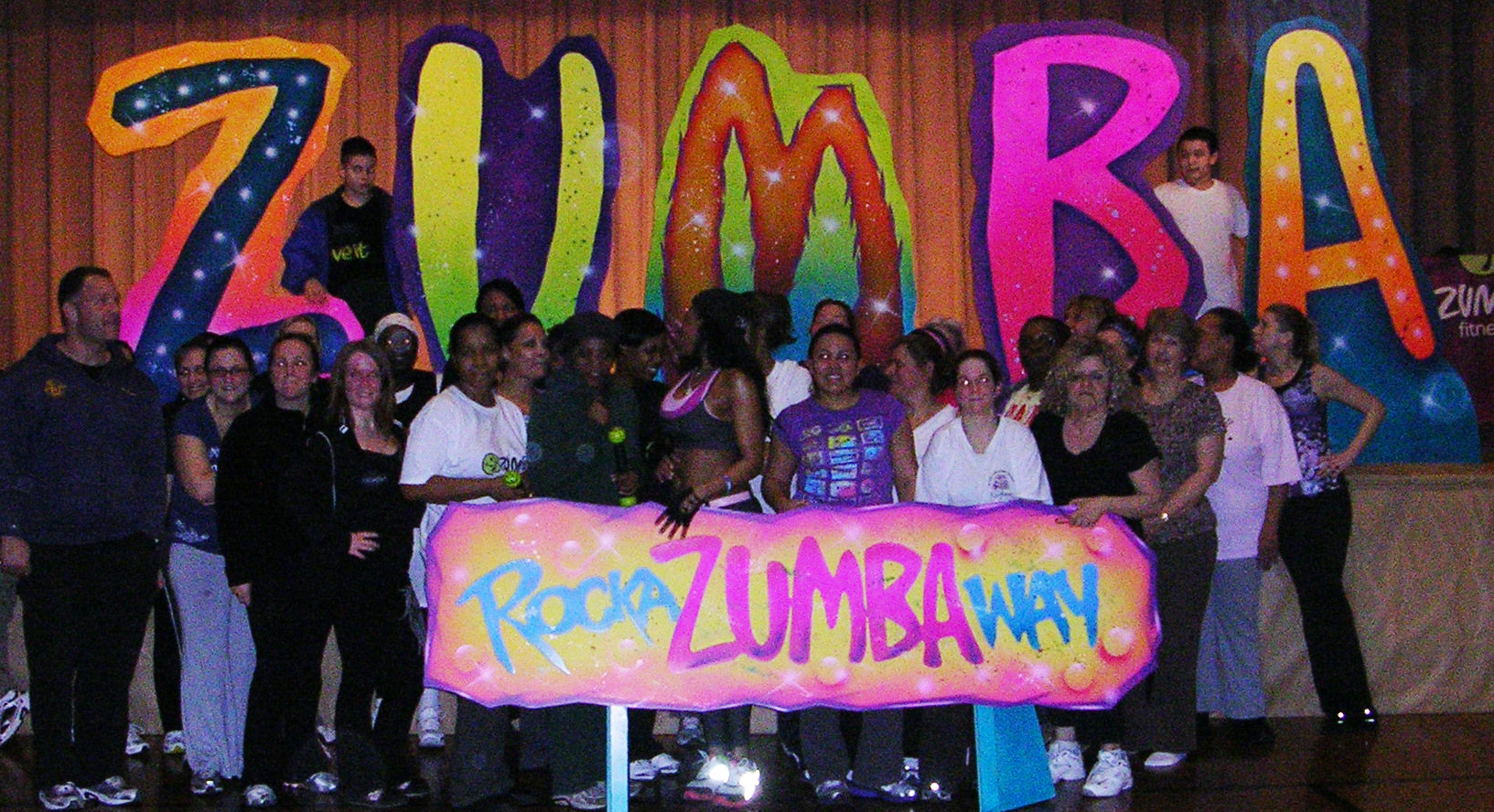
Or get in on the Zumba craze.  It’s easy, it’s fun, it’s at several different locations in Rockaway.  I tried the Friday evening 7:30 p.m. class run by Lisa G at Peninsula Preparatory Academy (formerly Stella Maris High School, at Beach 112 Street and Rockaway Beach Boulevard).  Cost is only $5, and proceeds from the Friday class benefit the school.

The point–getting fit can be a snap in Rockaway.  And you don’t have to do it alone.  I often run into friends unexpectedly at classes and group fitness events.  Good for the soul, not just the body!      

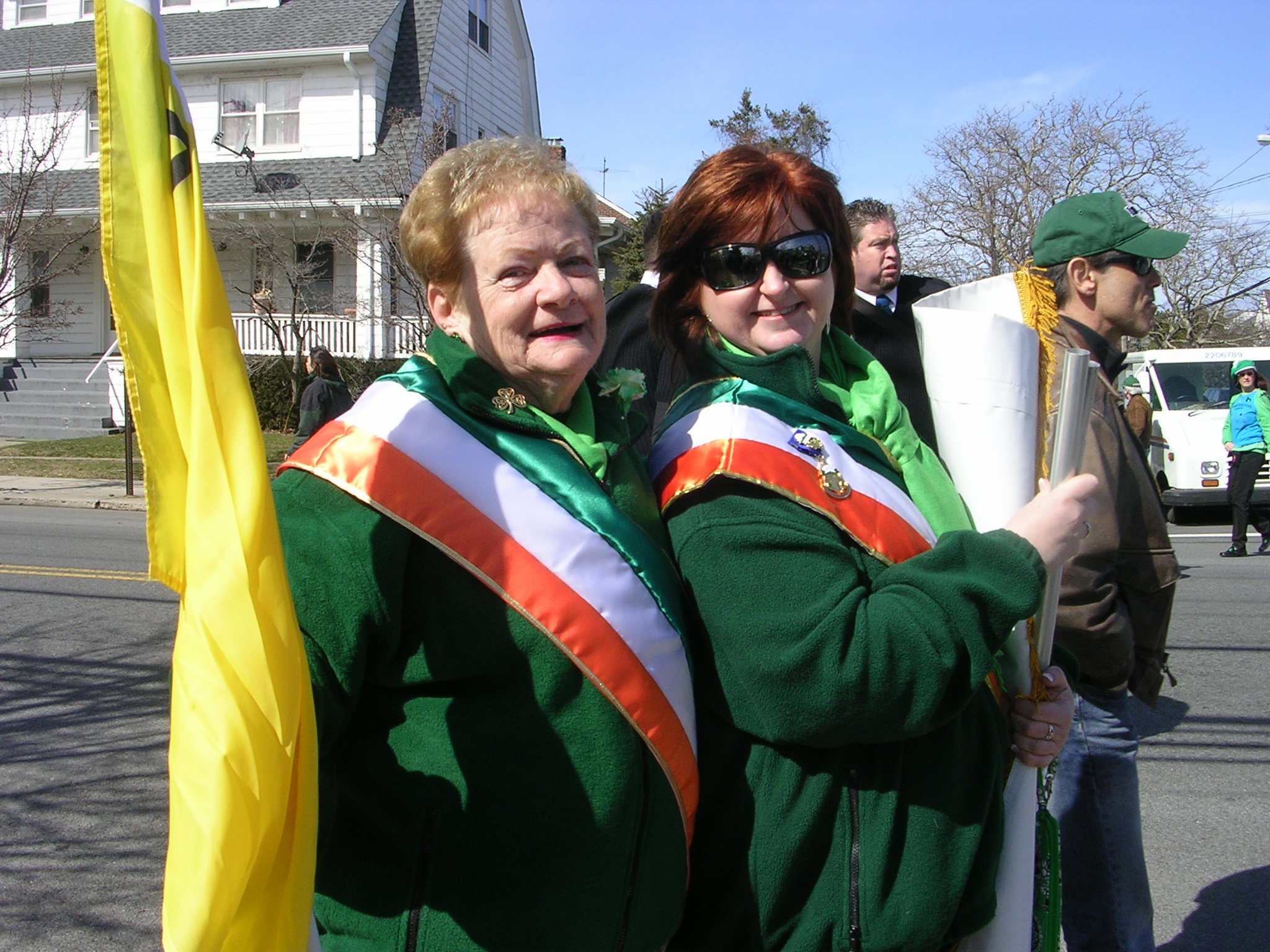
Flag Bearers for the Ladies' Ancient Order of Hibernians

Oh, and there was a parade today.  Fifty minutes and it was gone.  My favorite unit–the colorful and educational flags for each of the 32 counties in Ireland, displayed by the marchers of the Ladies’ Ancient Order of Hibernians.  The Iona College Bagpipe Band, bringing up the rear of the parade this year, was also a cut above the rest of the musical units, I thought.

Parade over.  Did I say “one” beer?

Posted in The Arts and Entertainment, The World of Human Beings | Tagged , , , | Leave a comment